Vessagiriya: Discovering Peace in the Ancient Cave Monastery Ruins

Sithmi Fernando
Travel Writer
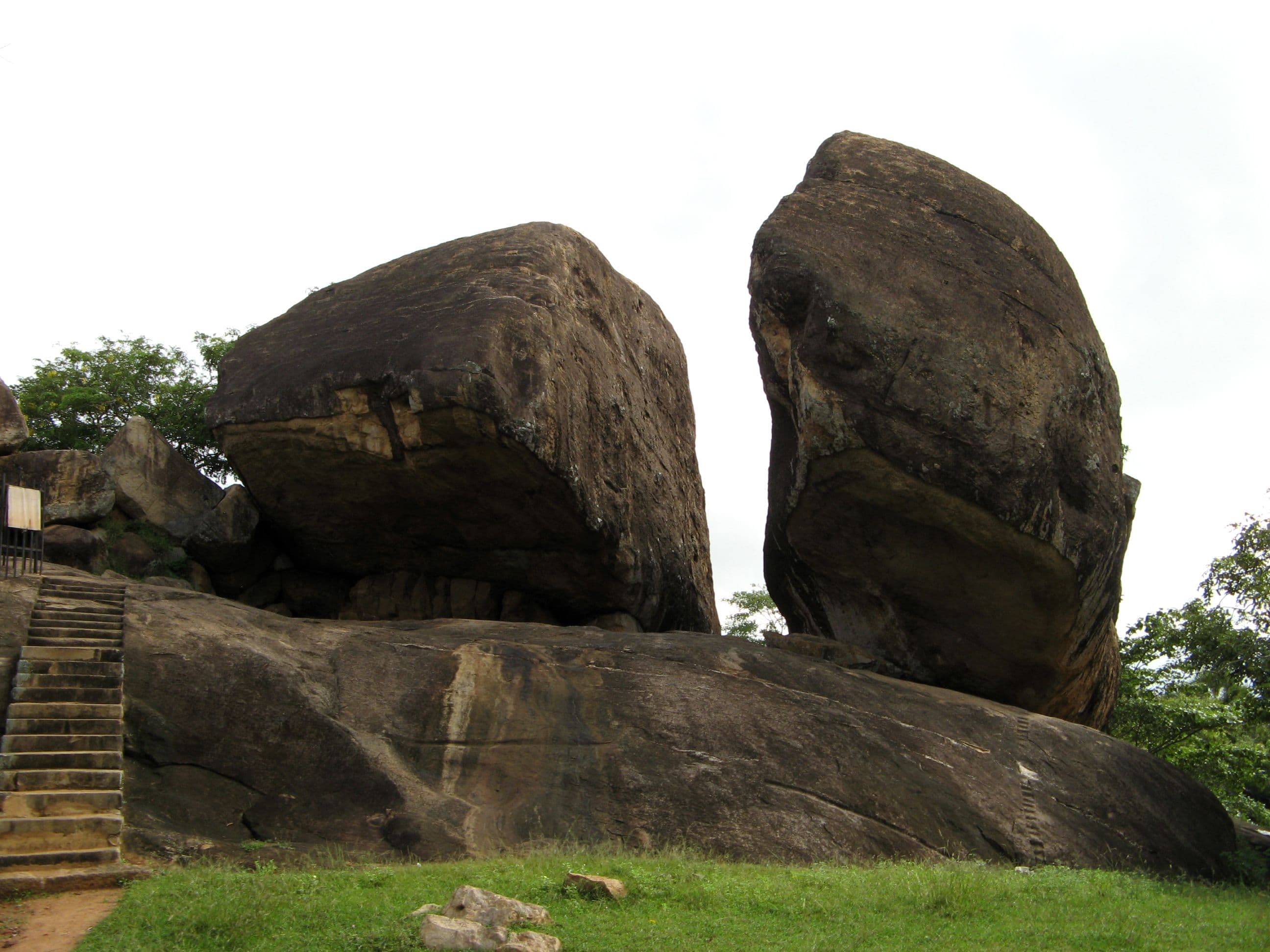
In the vast archaeological landscape of Anuradhapura, certain sites offer solitude over spectacle. Vessagiriya is one such treasure. Located just south of Isurumuniya, this ancient forest monastery is a powerful contrast to the monumental, restored stupas. Here, amidst clusters of massive, weathered boulders, you can find a deep sense of peace, connecting directly with the ascetic life of the early Buddhist monks.
Often overlooked by larger tour groups, Vessagiriya provides a unique opportunity to explore raw, unmanicured ruins and experience the serene atmosphere of a true Aranyaka (forest dwelling) monastery.
The History of the Forest Monks
Vessagiriya, or the "Rock Shelter of the Commoners," holds a rich history dating back to the 3rd century BCE, the time of King Devanampiya Tissa. Historical accounts suggest that this site was originally established for monks who had been ordained by Arahant Mahinda, specifically 500 Vaishyas (commoners or tradesmen).
The monastery was built according to the Pabbatha Vihara architectural style, which seamlessly integrates manmade structures (like chapter houses and image houses) with the natural rock formations. Unlike the grand city monasteries, Vessagiriya's focus was on asceticism, contemplation, and study in a quiet, natural environment.
The Uniqueness of the Caves and Drip Ledges
The key feature of Vessagiriya is its numerous rock shelters and caves. There are over twenty such shelters, formed by carving under the massive granite boulders. These were simple dwellings used by the monks for meditation and refuge during the monsoon season.
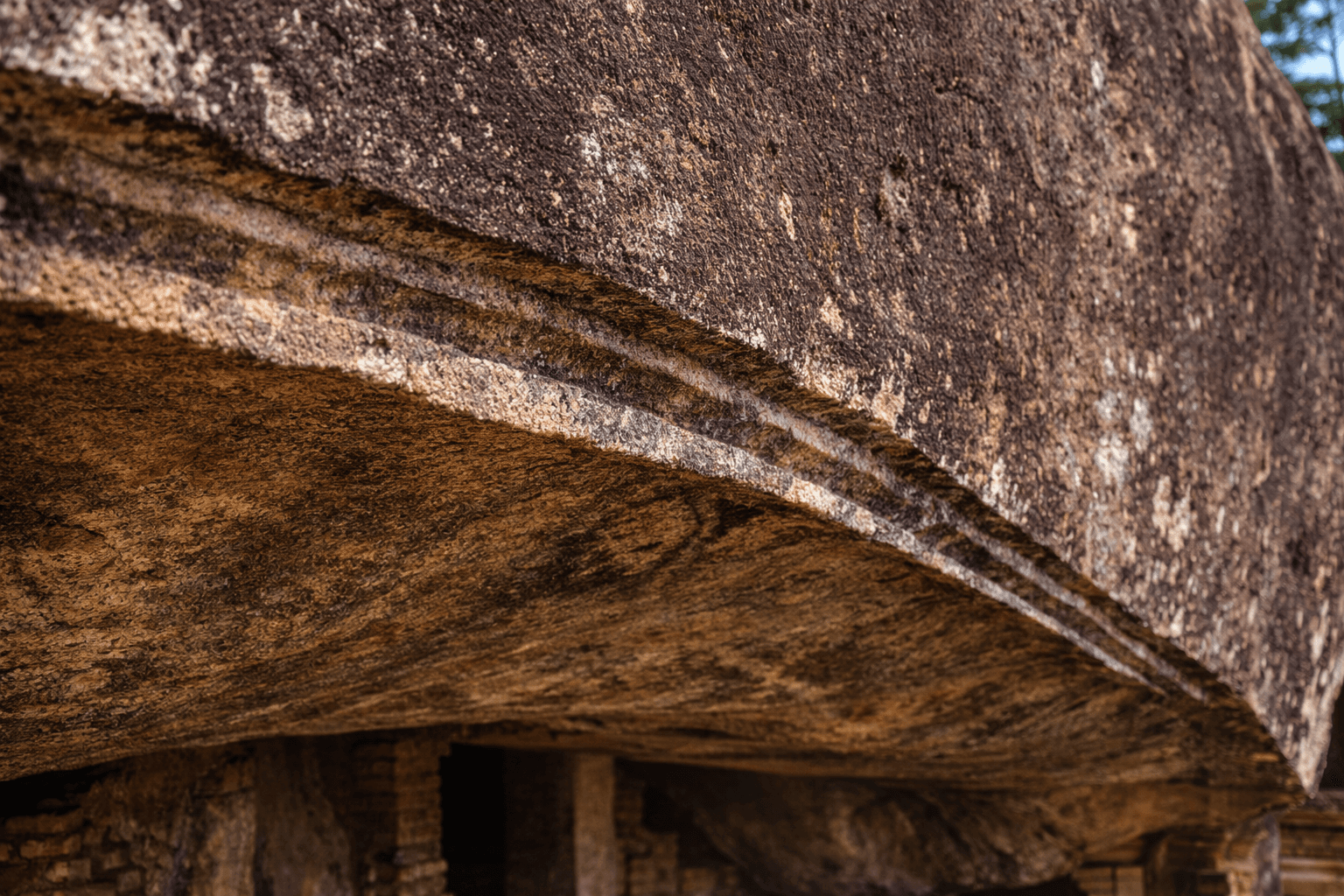
Look closely at the brow of the caves, and you will see Katarama, or drip ledges, carefully hewn into the rock. These ledges diverted rainwater away from the cave mouths, keeping the monks and their possessions dry, a subtle but brilliant piece of ancient engineering.
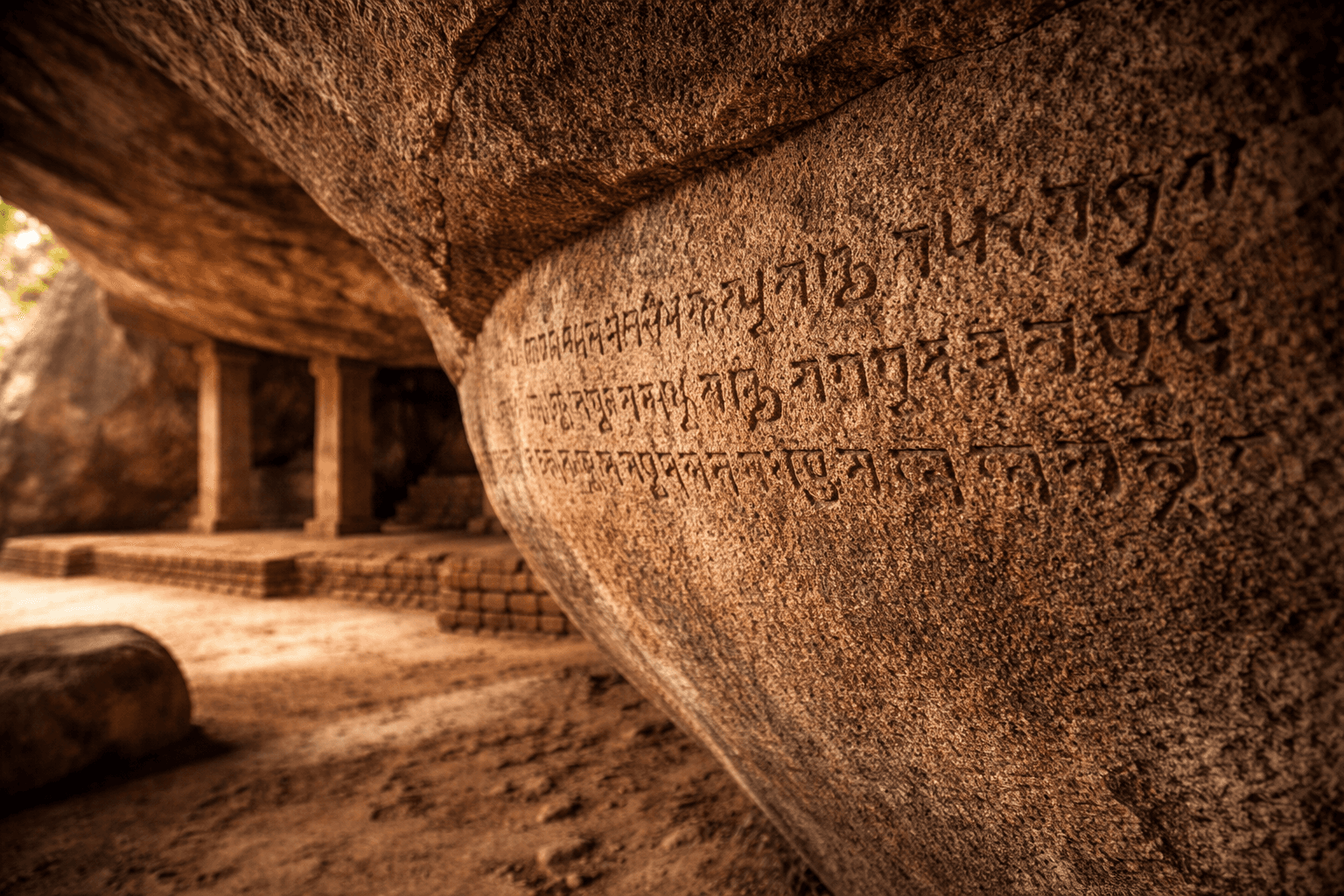
Many of these cave entrances also bear ancient Brahmi inscriptions, etched into the stone by the donors (both royal and commoners) who dedicated the shelters to the Buddhist priesthood. These inscriptions are some of the oldest documentary evidence found in Sri Lanka.
Climbing the Rock and the Hidden View
While Vessagiriya is known for its horizontal ruins, a short, self guided climb up the largest boulder formation is highly recommended. Be aware that the terrain is uneven and does not feature the railings found at more popular sites, so wear sturdy footwear.
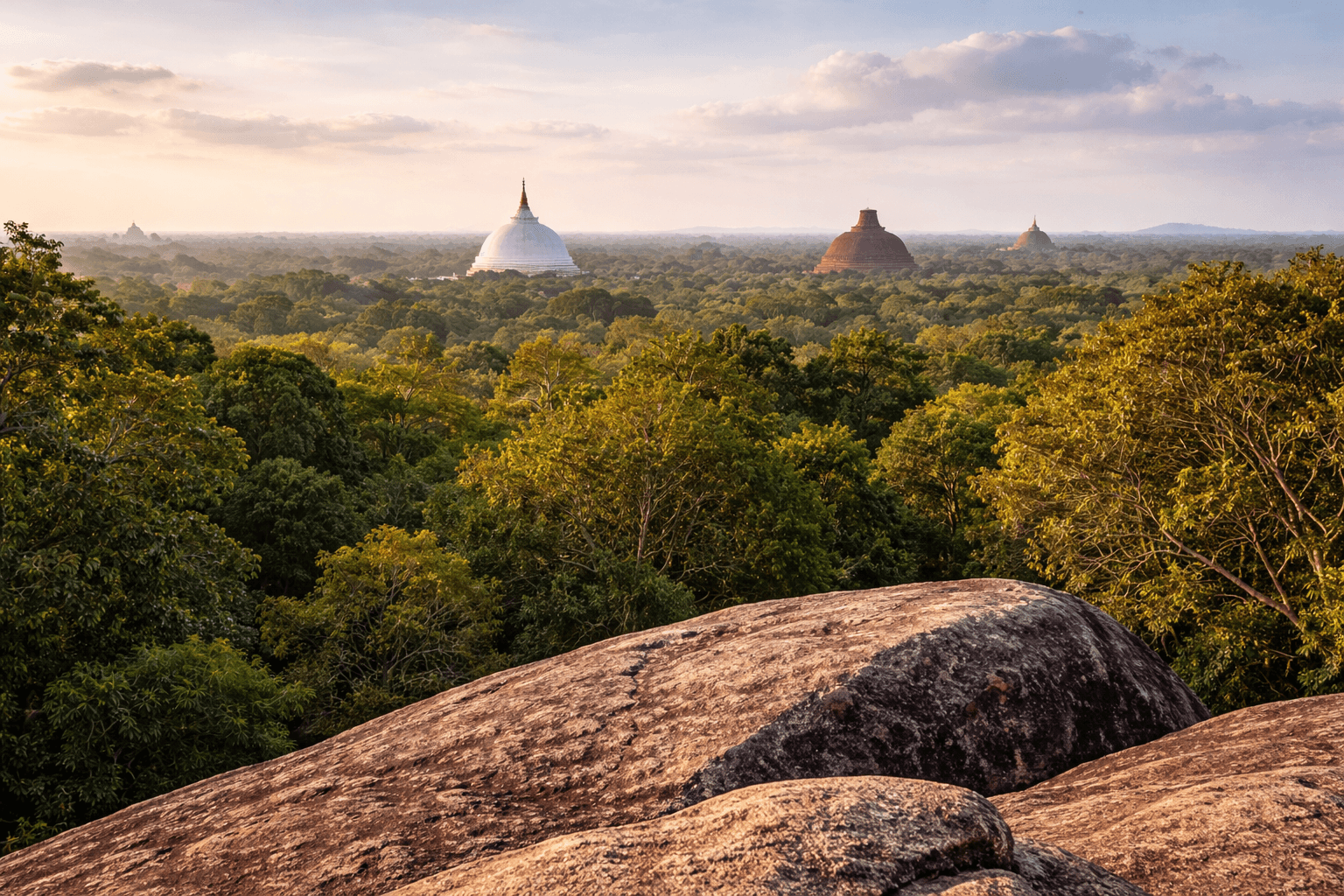
The reward for the climb is a spectacular, rare panoramic view of Anuradhapura. From this single point, you can simultaneously spot the massive domes of Ruwanwelisaya, Jetavanaramaya, and Thuparamaya rising above the jungle canopy. This makes Vessagiriya one of the most strategically and aesthetically positioned spots in the entire ancient city. On the flat summit, you can also see the foundation remnants of a small stupa and other monastic structures.
Tips for a Peaceful Visit
- Location: Vessagiriya is located just off the road between Isurumuniya and the Tissa Wewa, making it an easy addition to that part of your itinerary.
- Solitude: Since it is less frequented, it is the perfect place to experience a quiet moment for meditation or simple reflection, away from the tour bus routes.
- Essentials: Bring insect repellent and water. The surrounding greenery, while beautiful, is home to mosquitoes.
- Footwear: Unlike the main sites, you often do not need to walk barefoot around the entire complex, but wear comfortable, closed shoes for climbing the rocky terrain safely.
A Glimpse into Early Asceticism
Vessagiriya is a powerful reminder that Anuradhapura was not only a city of kings and grand temples but also a sanctuary for those seeking a quiet, ascetic path. Take the time to sit in one of the rock shelters, feel the history etched into the stone, and appreciate the silent, enduring spirit of this ancient retreat.
Enjoyed this story? Share it
About the Author
Sithmi Fernando
A passionate heritage explorer and travel storyteller dedicated to uncovering the sacred history, ancient temples, and timeless culture of Anuradhapura — Sri Lanka's spiritual heartland.