The Lifeblood of the Kingdom: Exploring the Ancient Tanks of Anuradhapura

Sewmi Ranasinghe
Travel Writer
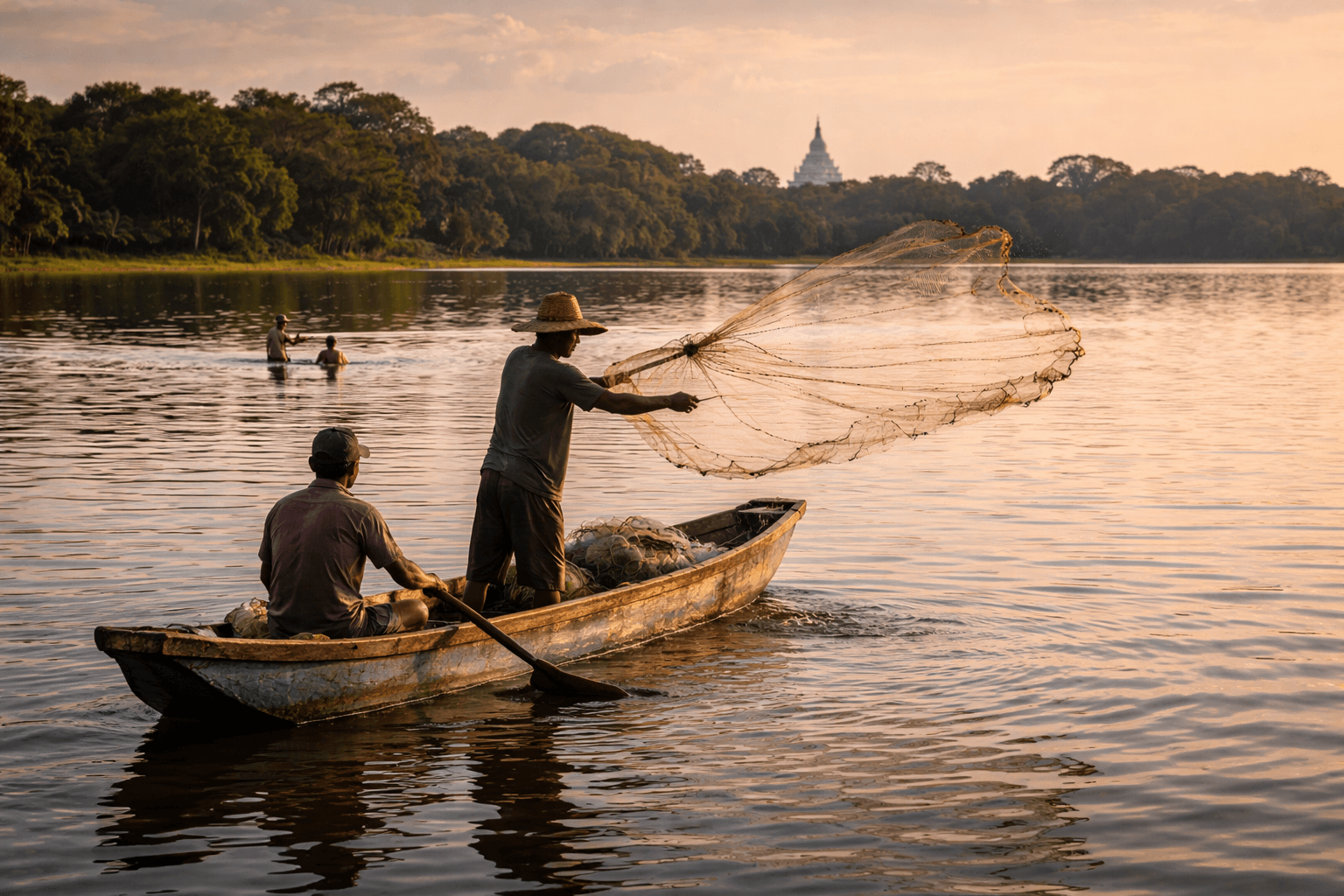
To truly understand the civilization that built the magnificent stupas of Anuradhapura, you must look away from the towering monuments and towards the vast, serene expanses of water. The massive manmade lakes, or Wewas (Tanks), are the silent, enduring engineering marvels that made life possible in Sri Lanka’s dry zone.
These tanks were the lifeblood of the ancient kingdom, supplying water for drinking, irrigation, and monastic use. Today, they are peaceful oases, offering spectacular views and a glimpse into a sustainable, hydraulic past. The two most vital are the Basawakkulama Wewa and the Tissa Wewa.
Engineering Miracles of the Dry Zone
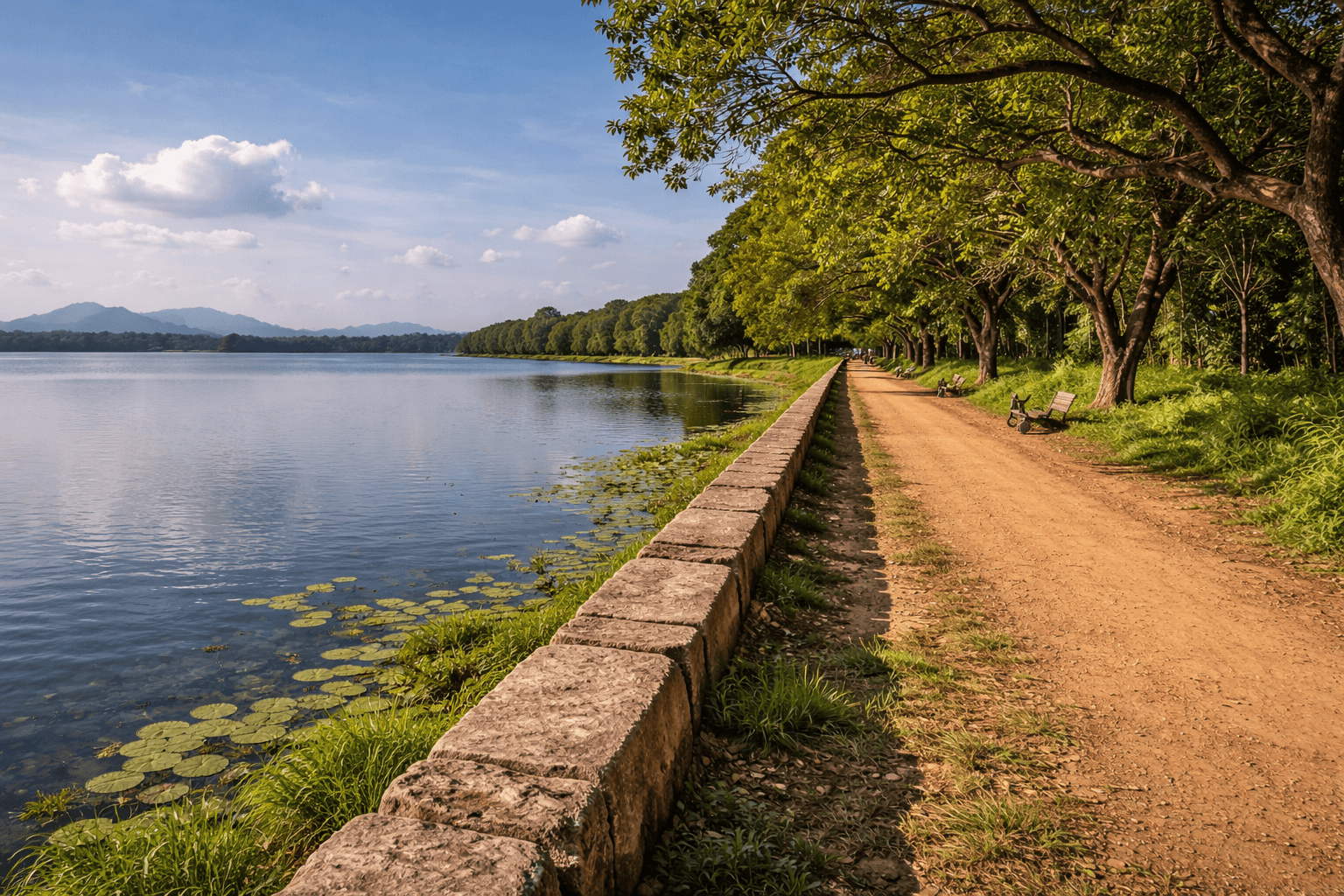
The construction of these tanks, some dating back over 2,000 years, involved moving millions of cubic feet of earth without modern machinery. This sophisticated system of water conservation is what allowed the Anuradhapura kingdom to flourish for over a millennium. The tanks were built by cleverly damming streams and rivers, creating vast reservoirs with precisely calculated embankments (bunds) and complex sluice gates to regulate flow to the city and the paddy fields.
Basawakkulama Wewa: The Oldest Survivor
The Basawakkulama Wewa is considered the oldest surviving tank in Anuradhapura, believed to have been built by King Pandukabhaya in the 4th century BCE, making it contemporary with the city’s founding.
This tank was essential for providing drinking water to the early settlements and monks. Its close proximity to the city center and the main monastic complexes, including the Abhayagiri, highlights its immediate, practical function. Though smaller than Tissa Wewa, its historical significance as one of the very first major hydraulic works in the region is immense.
Tissa Wewa: The Royal Reservoir
The Tissa Wewa is the larger and arguably more scenic of the two main tanks. Built later, it was strategically positioned to supply the royal quarter of the city, including the Royal Palace, the Ranmasu Uyana (Pleasure Gardens), and the Isurumuniya Temple.
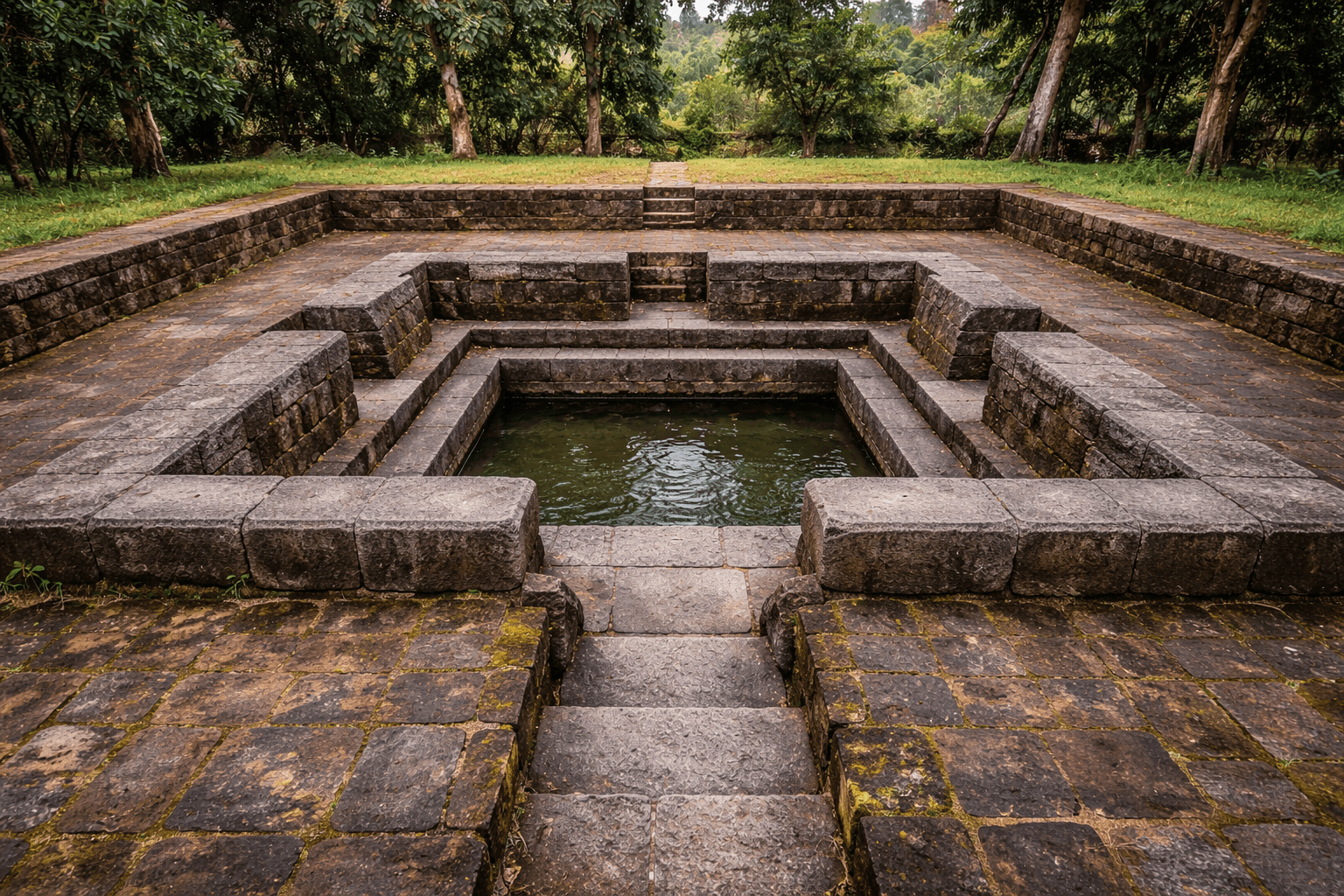
Its size and location made it integral to the city's defense and its daily life. The water it held not only irrigated the surrounding area but also fed the intricate hydraulic systems, such as the Kuttam Pokuna (Twin Ponds), demonstrating how the major tanks were linked to smaller, specialized water features across the city.
The Ecosystem Today
Today, the Wewas remain active parts of the local ecosystem. They are peaceful habitats where life continues much as it has for centuries.
- Birdlife: The tanks and their surrounding reeds are excellent spots for birdwatching, attracting various species of wading birds, pelicans, and cormorants.
- Local Life: You will see local fishermen casting their lines, villagers washing clothes, and massive herds of cattle grazing along the edges. This atmosphere provides a wonderful contrast to the silence of the ancient ruins.
Best Times to Visit and Viewpoints
The beauty of the tanks is best appreciated during the golden hours.
- Sunrise: Visiting the Basawakkulama Wewa at sunrise is highly recommended. The atmosphere is quiet, and the light softly illuminates the surrounding stupas.
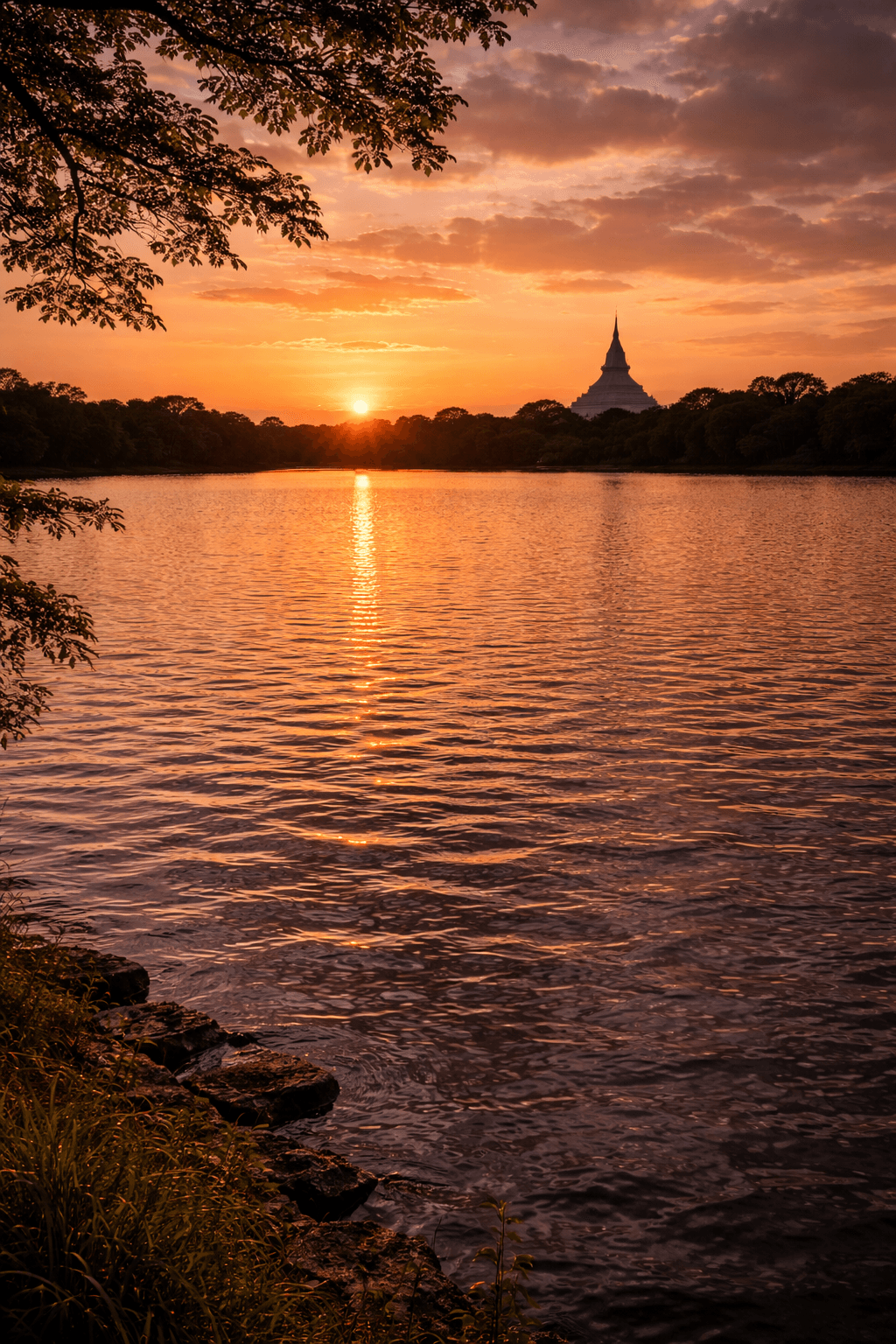
- Sunset: The long, uninterrupted horizon of the Tissa Wewa makes it the prime spot for sunset viewing. Take a walk along the bund as the sun dips below the water, casting the stupas into silhouette.
A Lasting Legacy
A visit to the ancient tanks of Anuradhapura is essential. They are a powerful, enduring reminder that the greatness of this ancient kingdom was rooted not just in its faith, but in its unparalleled ability to sustain life through ingenious, large scale engineering that still serves the country today.
Enjoyed this story? Share it
About the Author
Sewmi Ranasinghe
A passionate heritage explorer and travel storyteller dedicated to uncovering the sacred history, ancient temples, and timeless culture of Anuradhapura — Sri Lanka's spiritual heartland.