Sacred City Etiquette: A Guide to Respectful Conduct in Anuradhapura's Holy Sites

Hasini Wickramasinghe
Travel Writer
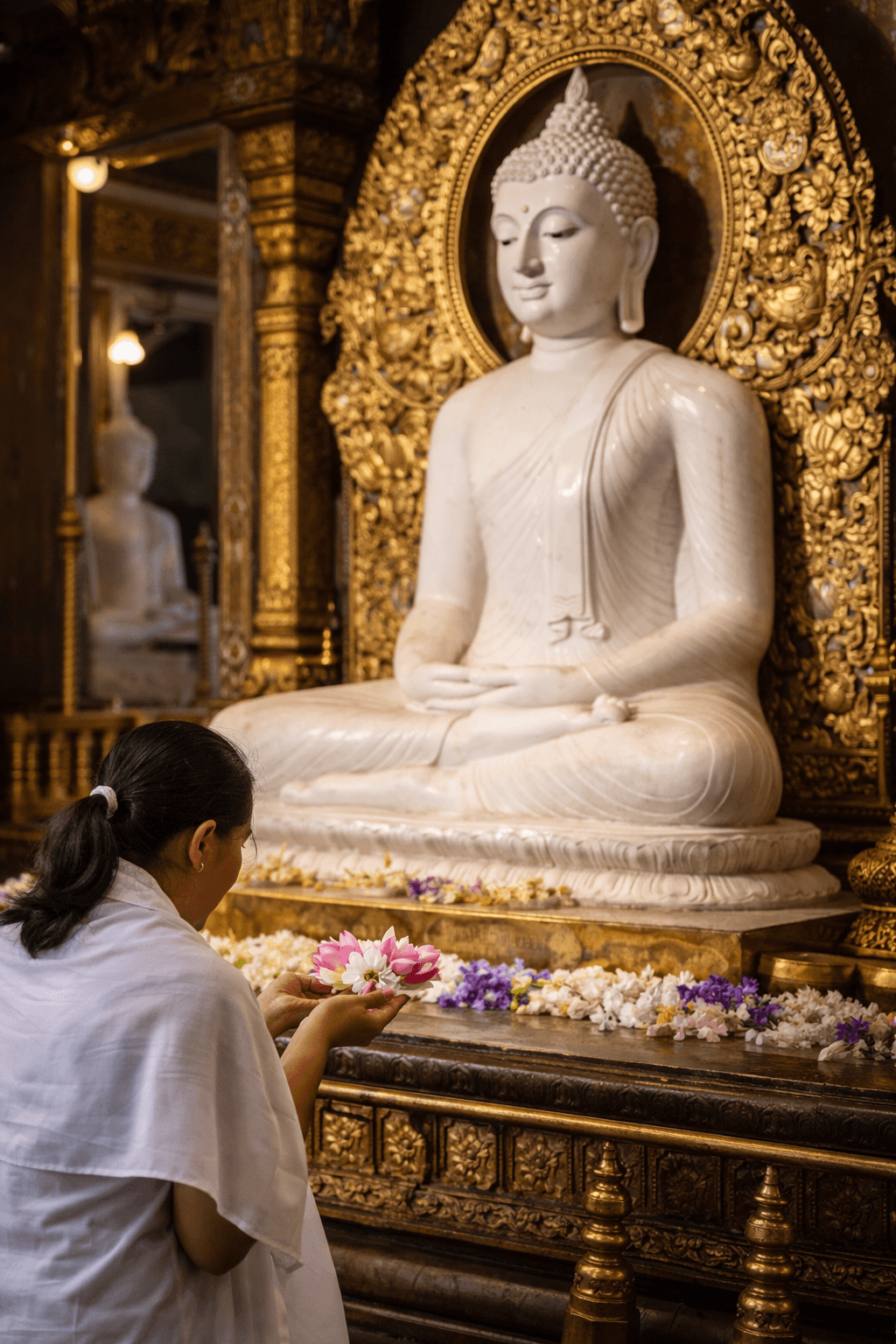
Anuradhapura is not just an archaeological park; it is a living pilgrimage site revered by Buddhists worldwide. When you step onto the grounds of the Jaya Sri Maha Bodhi or the Ruwanwelisaya Stupa, you are entering a place of profound spiritual significance.
To ensure your visit is respectful, peaceful, and welcomed by the local community and pilgrims, understanding and adhering to the local etiquette is essential. This guide covers the most important rules regarding dress, footwear, and behavior in the Sacred City.
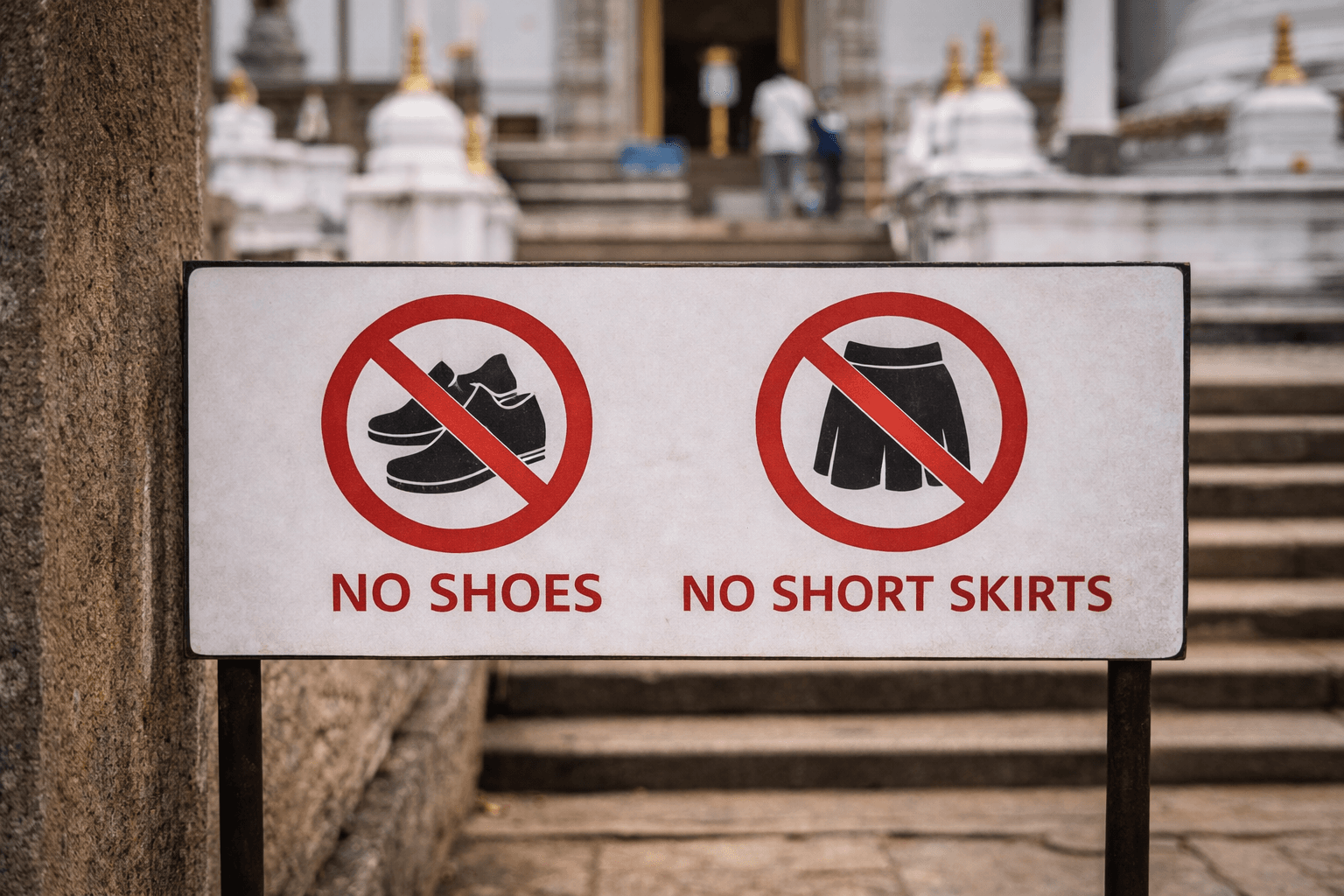
The Golden Rule: Covering Up
Modesty is paramount when visiting Buddhist temples and shrines. Your clothing should convey respect for the sanctity of the site.
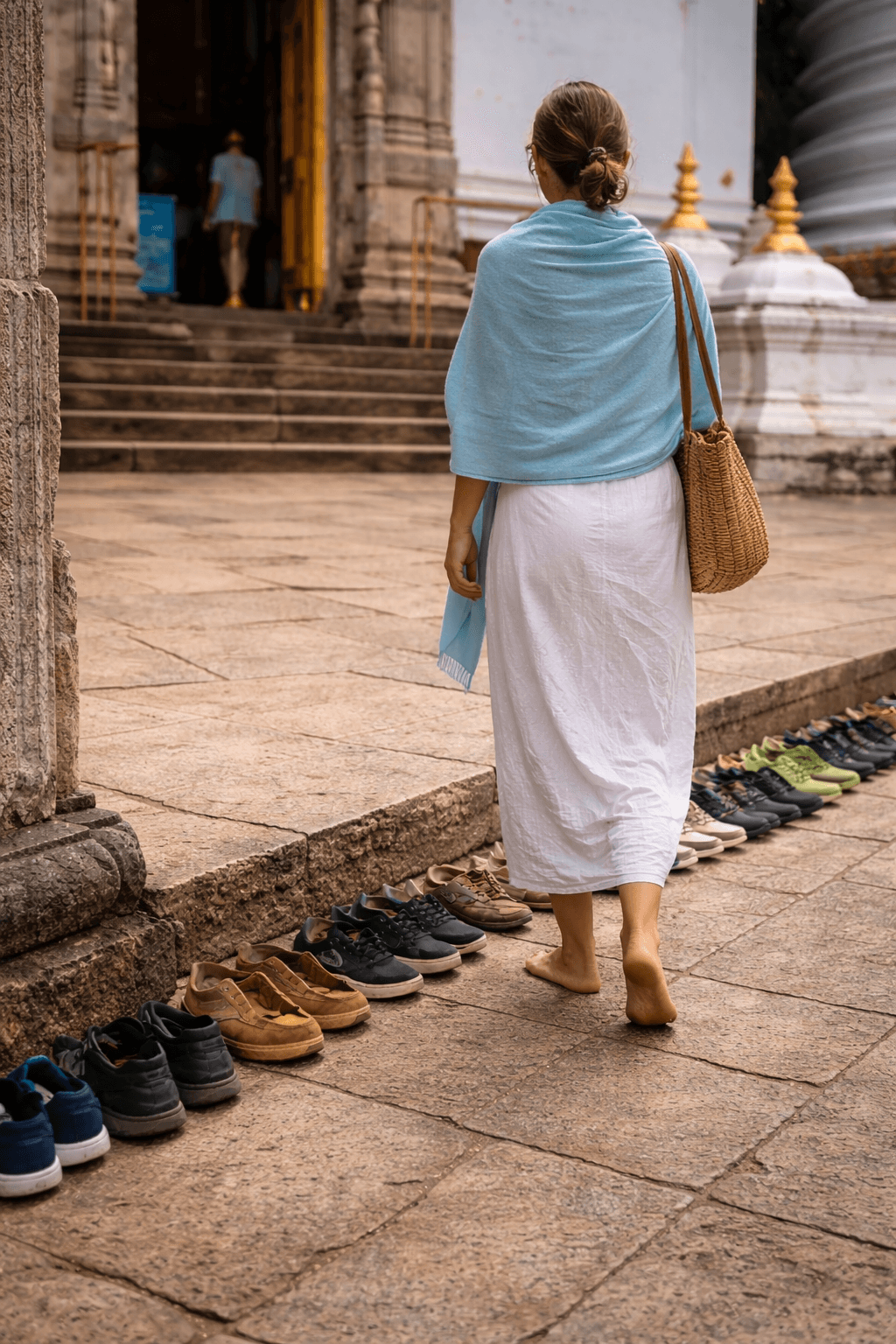
- Shoulders and Knees: Both men and women must ensure their shoulders and knees are completely covered. For women, a long skirt, sarong, or trousers, and a blouse or t-shirt is appropriate. For men, trousers or long shorts that cover the knee are expected.
- Avoid Tank Tops and Short Shorts: Revealing attire, including sleeveless tops, plunging necklines, or very short shorts, is strictly forbidden in sacred areas. You may be refused entry or asked to cover up.
- The Power of White: While not mandatory for tourists, pilgrims often wear white clothing, symbolizing purity and devotion. Wearing white or light, neutral colors is always appreciated.
The Barefoot Challenge: Where to Remove Shoes and Socks
This is perhaps the most distinctive and challenging rule for foreign visitors, especially under the hot tropical sun.
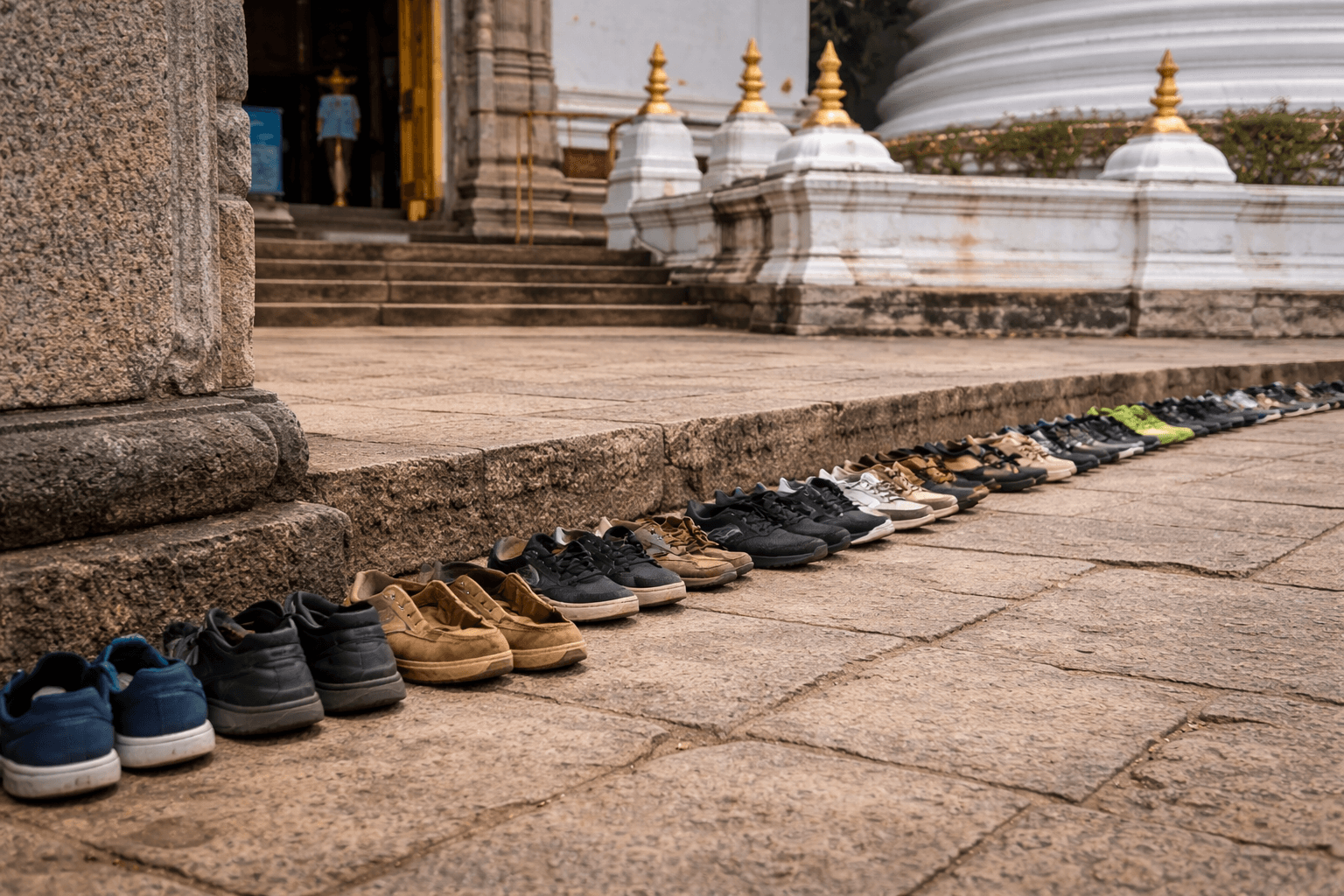
- Remove All Footwear: You must remove both your shoes and your socks before entering the inner and main sacred platforms or enclosures (such as around the Ruwanwelisaya, the Jaya Sri Maha Bodhi, and the top of Mihintale).
- The Heat Factor: Stone and concrete surfaces exposed to direct sun during midday (11:00 AM to 3:00 PM) can become scalding hot. If you visit during these hours, you must walk quickly and stick to any available shade.
- Practical Tip: Carry a small plastic bag to carry your shoes and socks. Some sites have designated shoe-keeping areas (often for a small fee), but carrying your own ensures safety and convenience.
Conduct and Respectful Behavior
Your actions and attitude are as important as your attire.
- Silence and Noise: Keep conversations quiet and respectful. Avoid loud laughter, shouting, or playing loud music. Put your phone on silent.
- Photography: While allowed in most outdoor areas, never pose for a photo with your back to a Buddha statue or a sacred stupa. This is considered highly disrespectful. Always ask permission before photographing people or ceremonies.
- Sitting and Pointing: Never point your feet directly at a Buddha statue or a monk. When sitting, cross your legs or sit with your feet tucked behind you.
- No Smoking or Drinking: Strictly prohibited within the temple boundaries.
- Do Not Touch: Never touch a Buddha statue, a monk, a pilgrim, or any relic with disrespect. Women should avoid direct physical contact with monks.
The Art of Offerings (Puja)
If you wish to participate respectfully, observing the traditional customs enhances your experience.
- Pradakshina: When walking around a stupa or sacred tree, always walk in a clockwise direction. This meditative circumambulation is known as pradakshina and should be done slowly and reverently.
- Offerings: You can buy fresh flowers (lotuses or jasmine) to offer at the altar. Always approach the shrine quietly, place your offering respectfully, and stand back to meditate or observe.
Travel with Reverence
Adhering to the etiquette of Anuradhapura is a demonstration of respect for one of the world's oldest living cultures. By dressing modestly and acting mindfully, you not only avoid offense but gain a deeper, richer understanding of this extraordinary city.
Enjoyed this story? Share it
About the Author
Hasini Wickramasinghe
A passionate heritage explorer and travel storyteller dedicated to uncovering the sacred history, ancient temples, and timeless culture of Anuradhapura — Sri Lanka's spiritual heartland.