Ranmasu Uyana: Exploring the Royal Pleasure Gardens and Finding the Sasa Jataka Carving

Kavindi Weerasinghe
Travel Writer
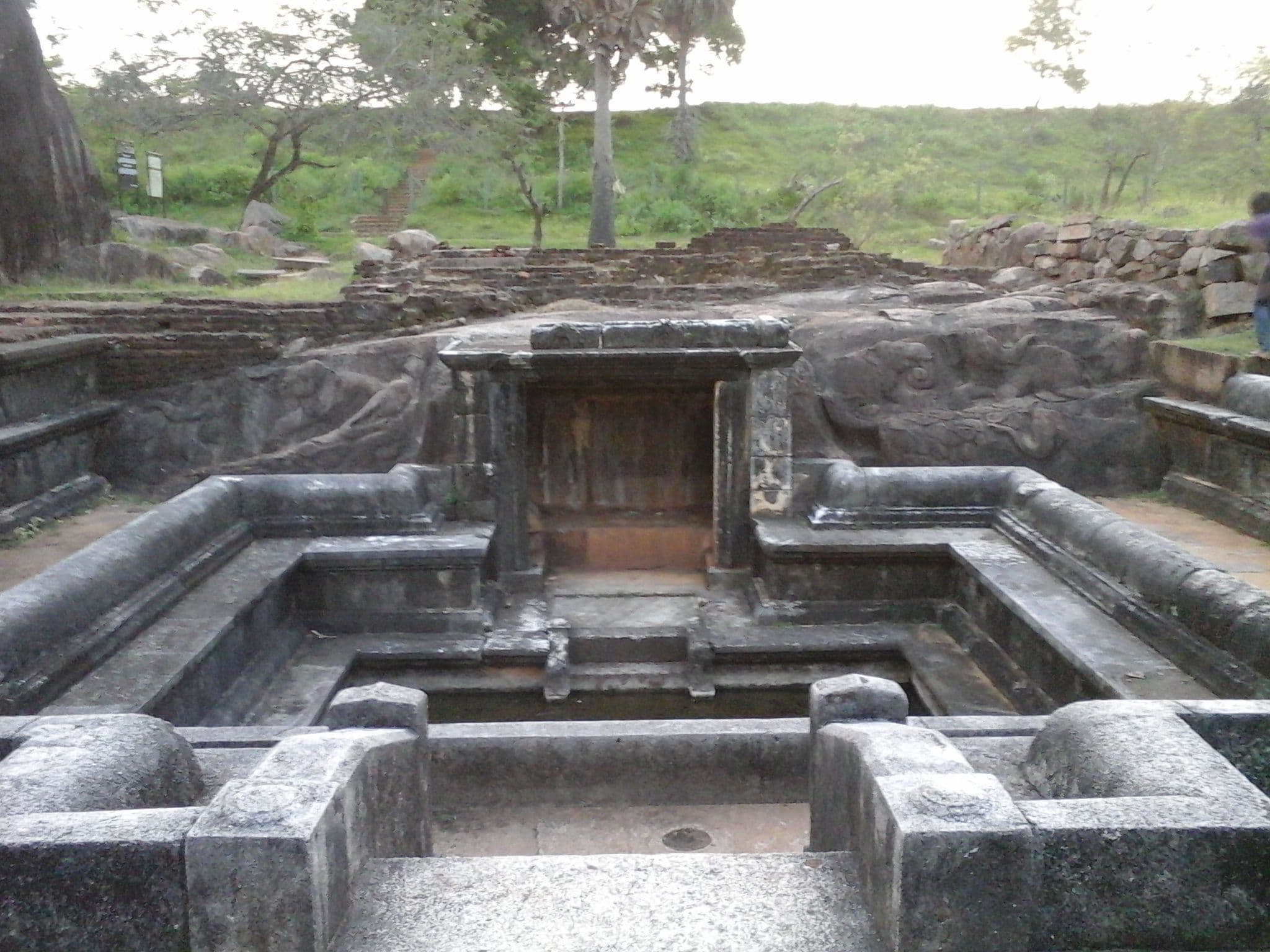
After touring the colossal stupas and profound sacred shrines of Anuradhapura, take a step back from piety and into pleasure. Ranmasu Uyana, or the Golden Fish Park, served as the royal pleasure gardens and bathing grounds for the kings and queens of ancient Sri Lanka.
Located near the Isurumuniya Temple and the Tissa Wewa, this site offers a fascinating contrast, showcasing the secular side of the royal court through sophisticated water engineering and rare, symbolic carvings. It is a quiet, beautiful escape where you can imagine the ancient royalty relaxing amidst the cascading pools.
The Pleasure Garden of Kings
Ranmasu Uyana was laid out during the 7th to 10th centuries CE, a period of high architectural sophistication. Its design is based on the Persian four part garden known as the char bagh, adapted to fit the local landscape. The park’s sole purpose was relaxation and leisure.
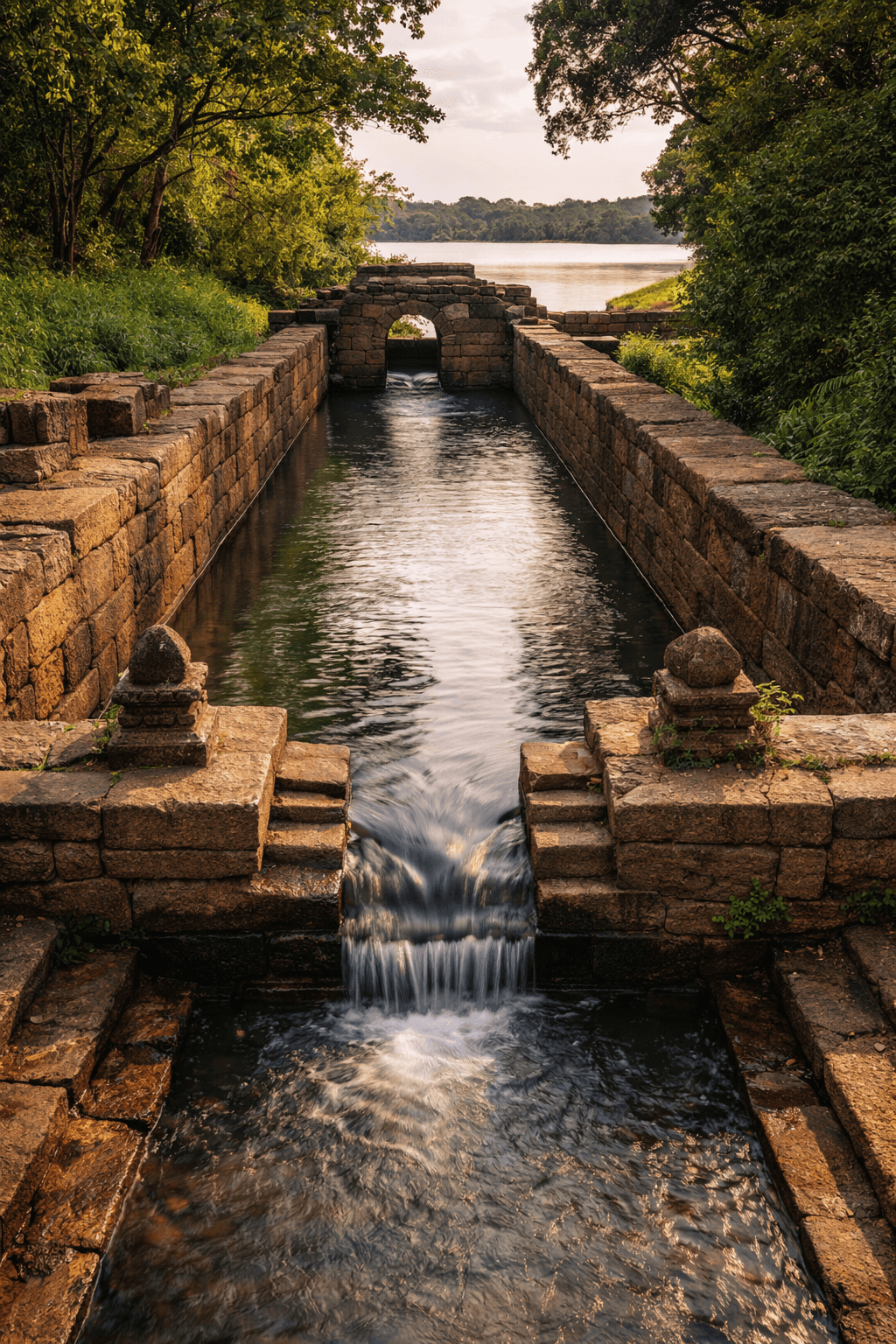
The water supply for these intricate features came directly from the massive Tissa Wewa tank. Ancient engineers devised an underground network of canals to channel the water, creating fountains, bathing pools, and streams throughout the park, which functioned as a royal oasis in the dry zone.
The Royal Baths and Water Features
The centerpiece of Ranmasu Uyana is the system of exquisitely designed baths. These pools, carved out of granite, include elaborate dressing rooms and seating areas.
One of the most notable features is the design of the royal bathing ponds. The stone steps leading into the water are carved to be non slip, and the pools feature unique stone seating and lion headed spouts that were used to spray cool water onto the bathers. You can clearly trace the sophisticated system of inlets and outlets that regulated the water level and ensured continuous flow.
The Enigmatic Sasa Jataka Carving
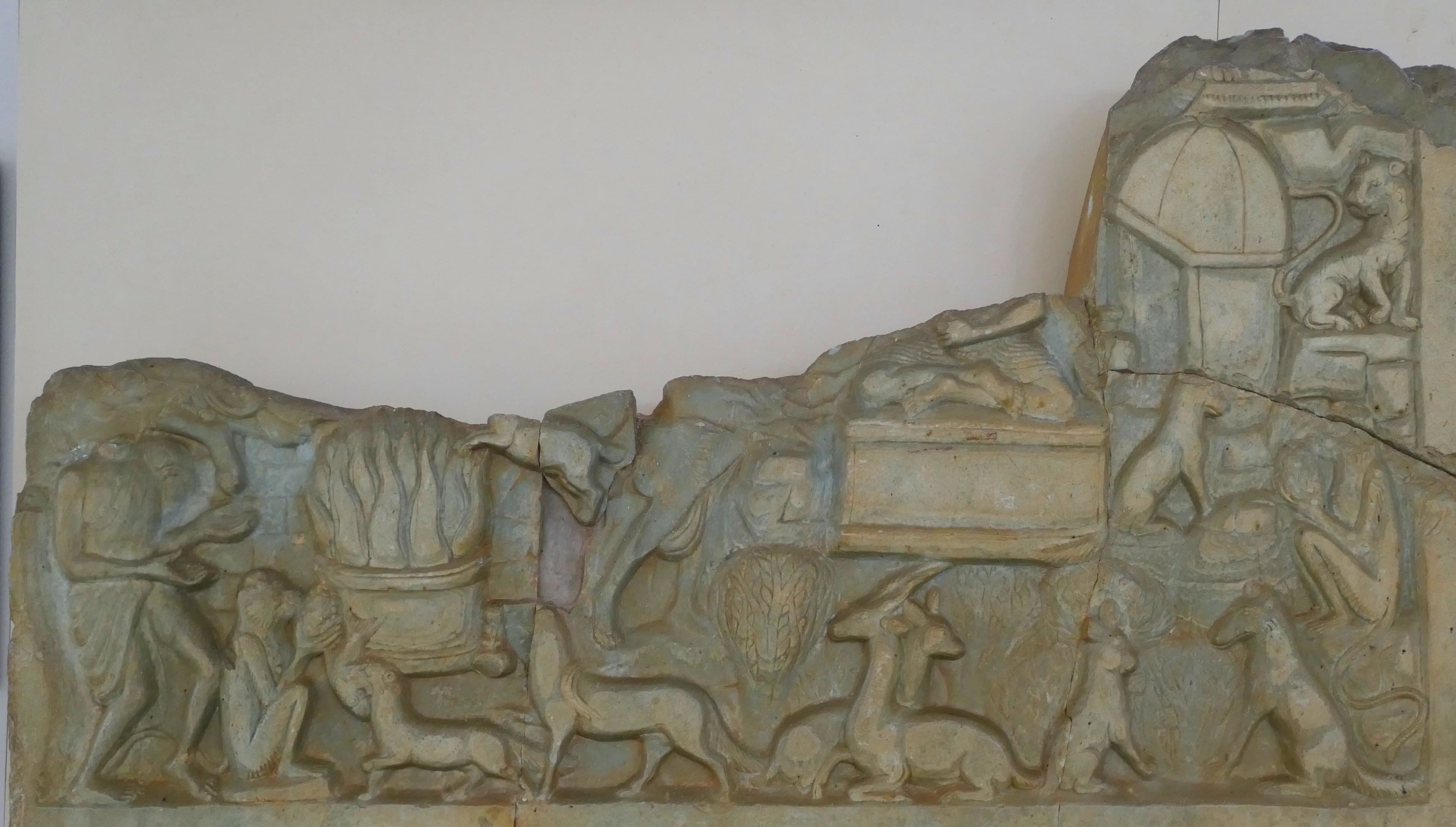
A highlight of the park is the rare Sasa Jataka carving. This unassuming rock carving is often missed but carries deep symbolic weight. It is typically found near the central bathing area, etched into the flat stone surface of the rock.
The carving illustrates the Jataka story of the Buddha’s previous life as a noble hare (sasa). In this story, the hare willingly sacrifices itself to feed a starving traveler (who was, in fact, the god Sakra in disguise), proving his ultimate compassion and sacrifice. The moon image and the hare are shown together, which is why the full moon in Sri Lanka is sometimes associated with the hare.
Finding this carving and understanding its meaning offers a peaceful moment of contemplation amidst the ruins of royal pleasure.
The Hidden Star Gate (Optional but great detail)
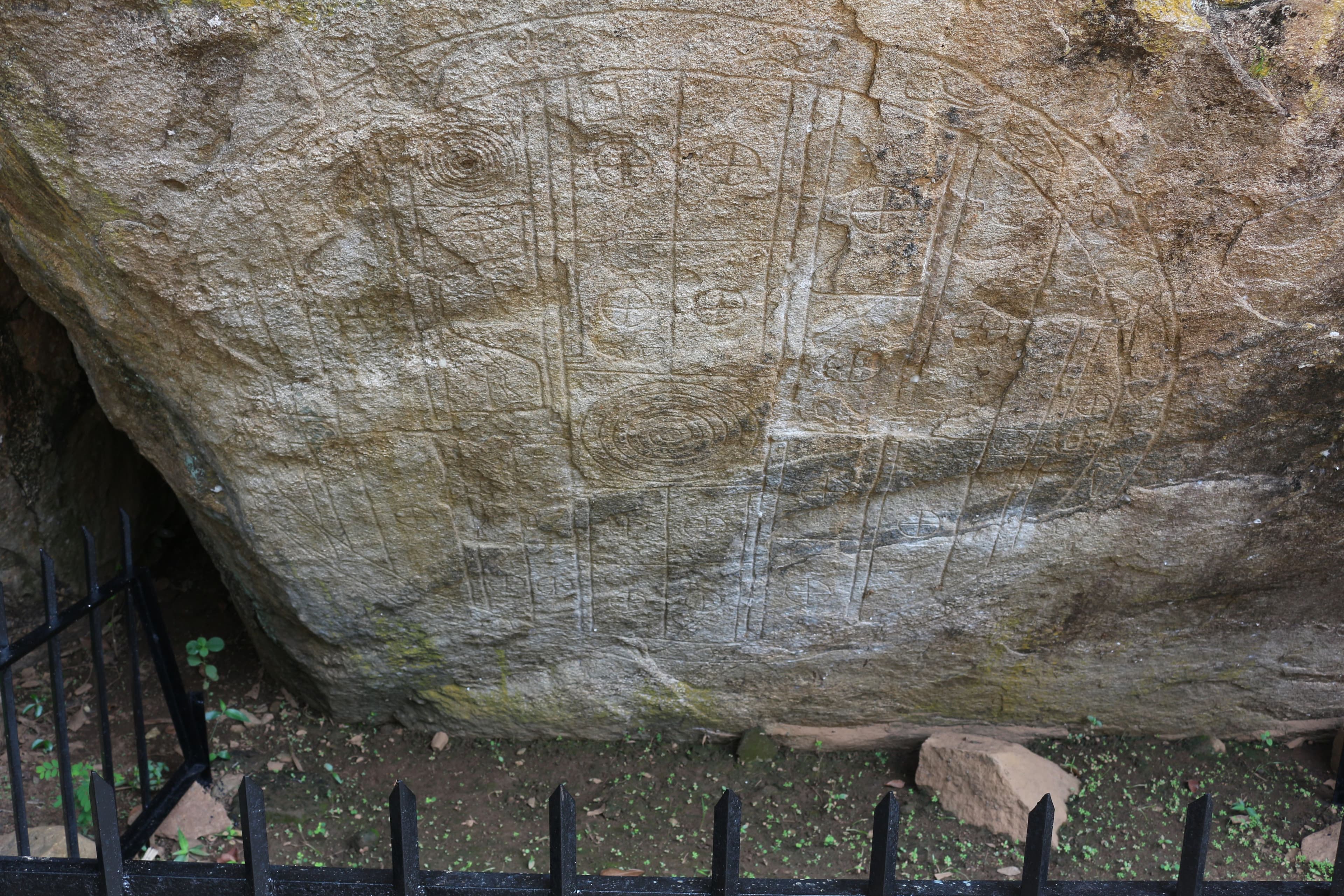
In the same area as the Sasa Jataka carving, you might find another unusual engraving: a circle marked by strange concentric rings and small geometric symbols, sometimes referred to as the Star Gate. While archaeologists have not definitively named its purpose, popular theory suggests it was used for astronomical observation or perhaps a form of ancient ritualistic map. Its mystery adds an exciting, enigmatic layer to the park.
Tips for Visiting this Peaceful Site
- Location: Ranmasu Uyana is easily accessible, located right next to the Tissa Wewa reservoir embankment and the Isurumuniya Temple. You can visit both sites back to back.
- Atmosphere: The park is shaded and tends to be less crowded than the main stupa areas, making it an excellent spot for a peaceful mid morning break.
- Time Needed: You can explore the entire garden complex, including the pools and the rock carvings, in about an hour.
A Timeless Oasis
Ranmasu Uyana provides a unique window into the daily life of ancient Sinhalese royalty a world of beauty, luxury, and sophisticated engineering, balanced by deep moral and religious undertones. It is a quiet oasis that should not be missed.
Enjoyed this story? Share it
About the Author
Kavindi Weerasinghe
A passionate heritage explorer and travel storyteller dedicated to uncovering the sacred history, ancient temples, and timeless culture of Anuradhapura — Sri Lanka's spiritual heartland.