Mihintale Guide: Why You Must Climb the Mountain Where Buddhism Arrived

Hasini Wickramasinghe
Travel Writer
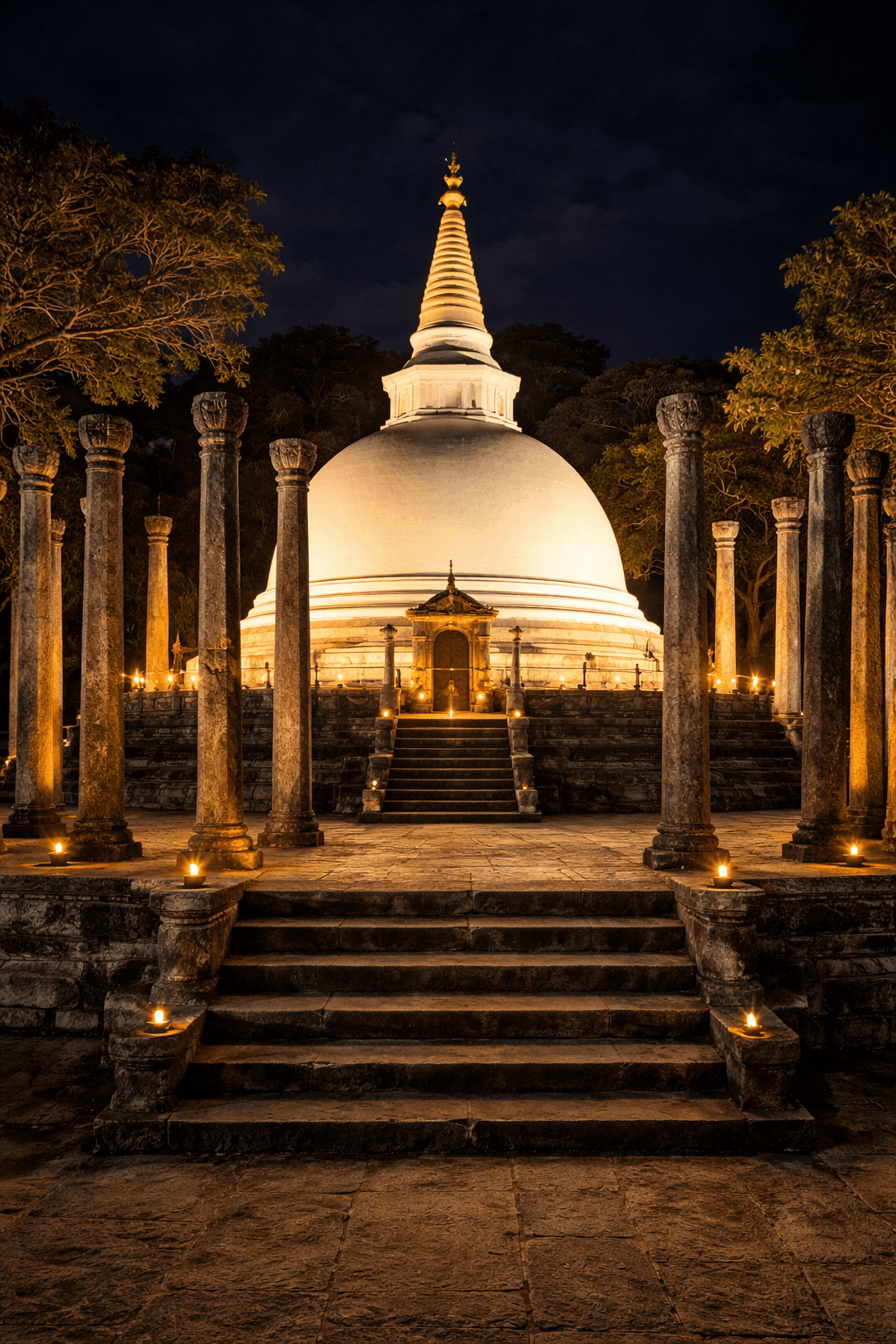
Mihintale is not merely an archaeological site; it is considered the cradle of Buddhism in Sri Lanka. Just eight miles east of Anuradhapura, this rocky, forested peak offers a powerful sense of history, stunning architecture, and arguably the best panoramic views in the entire region.
For travelers, a trip to Mihintale is a must, not only for its historical gravity but also for the rewarding journey to its summit. Here is your complete guide to climbing the sacred mountain, focusing on the breathtaking spectacle of the sunset.
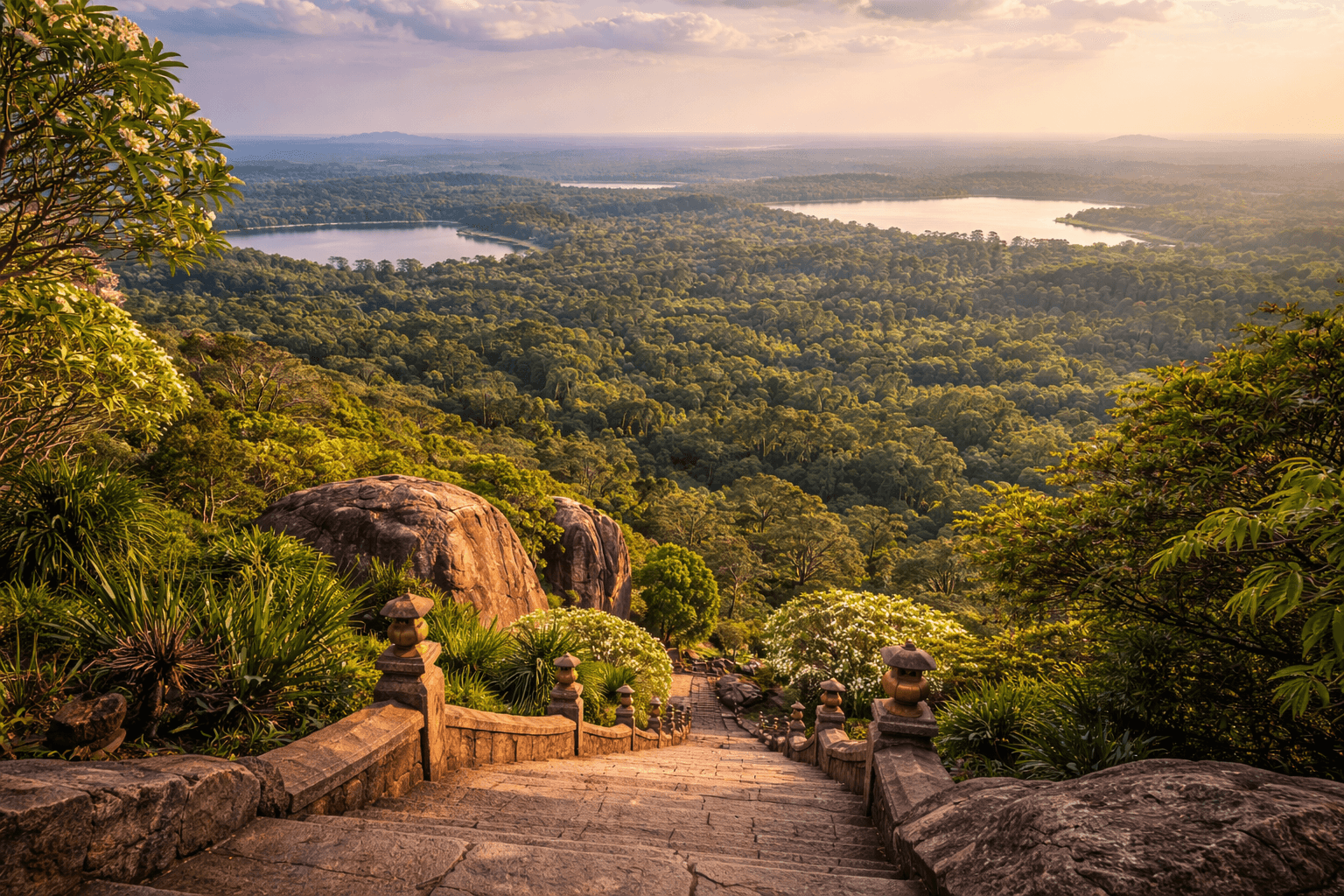
The Historic Turning Point
The significance of Mihintale dates back to the full moon day of Poson (June) in the 3rd century BCE. It was here, while King Devanampiya Tissa was hunting a stag, that he encountered the Buddhist missionary, Arahant Mahinda, the son of the great Indian Emperor Ashoka.
The pivotal moment involved a famous riddle posed by Arahant Mahinda to test the King's intelligence, which, upon his successful answer, led to the immediate conversion of the King and the establishment of Buddhism in Sri Lanka. The entire peak soon became a massive monastic complex, complete with caves, hospitals, and hundreds of steps carved into the rock.
The Ascent: Climbing the 1,840 Steps
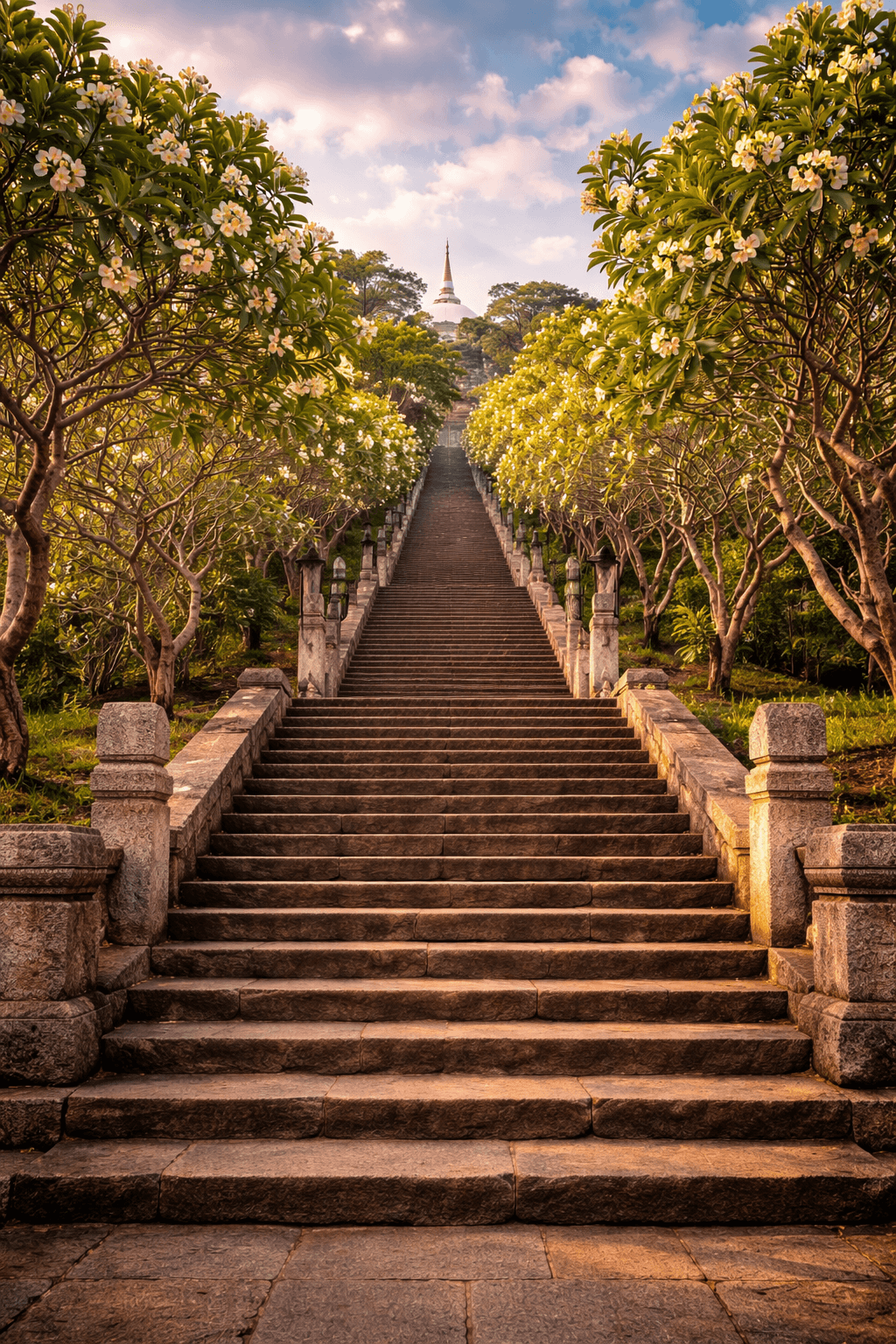
While the number of steps sounds daunting, the climb is broken up into several stages with wide, relatively shallow staircases, making it manageable for anyone with moderate fitness.
The entire path is paved with ancient stone and flanked by dense jungle and dramatic rock faces. The journey itself is part of the pilgrimage, offering moments of tranquility and beautiful views even before you reach the top. You will pass several ruins and rest spots along the way.
Key Rest Stops: The primary stop is the large landing area that houses the ruins of the Assembly Hall and the Alms Hall. This is a great place to pause, hydrate, and explore before continuing the final push to the main summit.
The Peak Attractions
Once you reach the top, there are several key sites you must visit, all within a short walk of each other:
Ambasthala Dagoba: Located on the main platform, this is the spot believed to be where the historic meeting between King Tissa and Arahant Mahinda occurred. It is a smaller, beautiful white stupa surrounded by pillars.
Mihindu Seya (Mahinda’s Bed): A short walk leads you to a cave believed to be the residence of Arahant Mahinda.
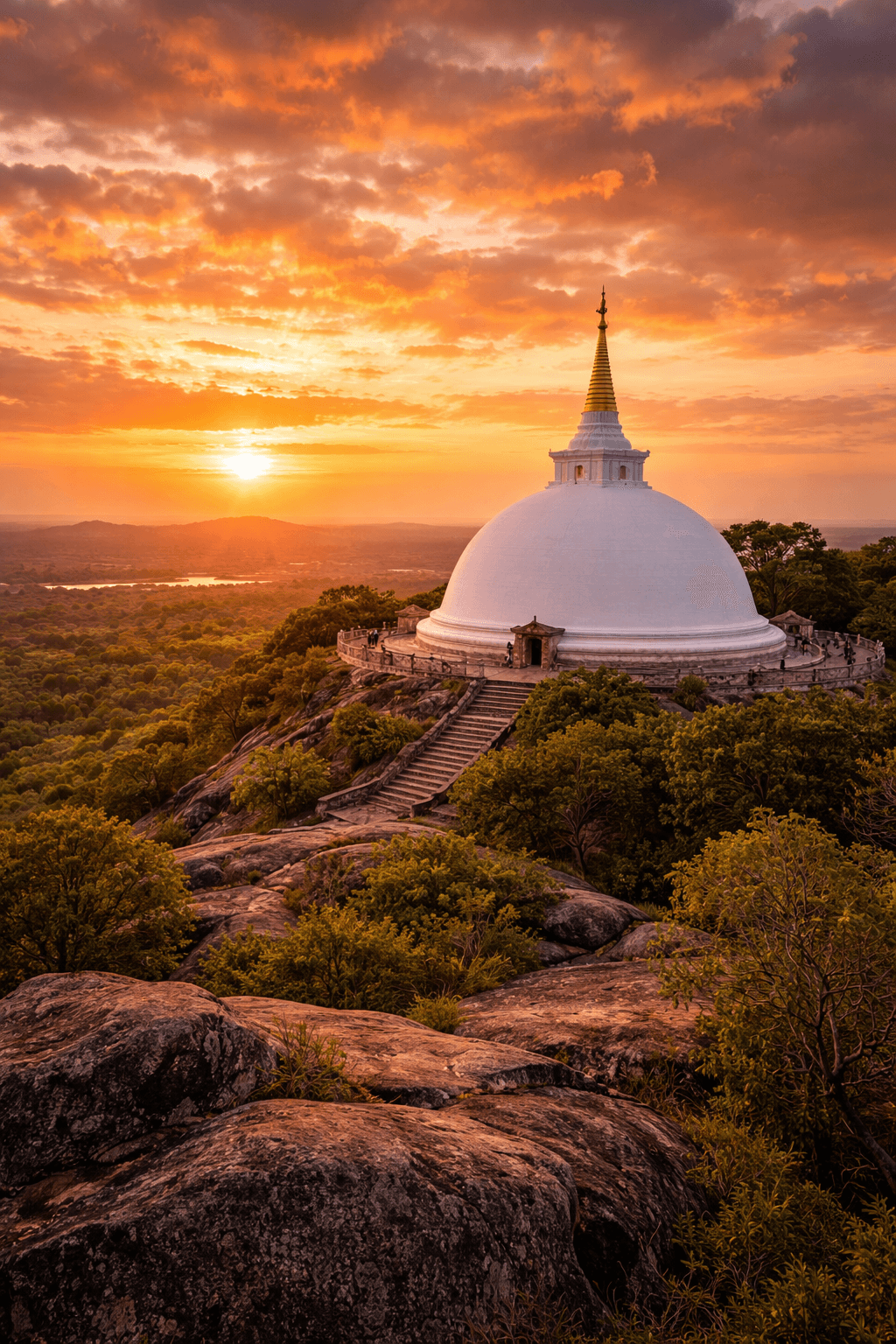
Maha Seya: This is the largest stupa at Mihintale, perched on the highest point of the mountain. If you are comfortable climbing a steep, narrow rock face (with railings), the climb to the Maha Seya platform is highly recommended for the absolute best view of the area.
Planning for the Perfect Visit: Sunset
The sunset at Mihintale is legendary. The vantage points offer an uninterrupted, 360 degree view of the sprawling jungle, the ancient city's reservoirs, and the gigantic stupas of Anuradhapura glowing in the distance.
When to Start: Plan to begin your climb around 4:30 PM. This gives you plenty of time to reach the summit platform, visit all the key sites, and secure a good spot on one of the rock faces (near the Maha Seya is popular) before the sun starts to dip around 6:00 PM.
What to Bring: Water, and a small bag for your shoes and socks, as you will need to remove them at the final sacred area entrance.
Essential Visitor Tips and Etiquette
- Dress Code: Strict dress code applies. Shoulders and knees must be covered.
- Remove Footwear: You must remove your shoes and socks before climbing onto the main summit platform (where the Ambasthala Dagoba is located).
- Flashlights: If you stay for sunset, bring a small flashlight or use your phone's light for the descent, as the stone steps can be tricky in the dark.
- Respect the Monkeys: There are many playful, but sometimes bold, monkeys. Do not feed them or leave food exposed.
A Rewarding Climb
Mihintale is a powerfully rewarding experience that blends physical effort with spiritual reflection. The climb culminates in an unmatched vista, offering a perspective on the history and geography of the entire Anuradhapura region.
Enjoyed this story? Share it
About the Author
Hasini Wickramasinghe
A passionate heritage explorer and travel storyteller dedicated to uncovering the sacred history, ancient temples, and timeless culture of Anuradhapura — Sri Lanka's spiritual heartland.