Jetavanaramaya vs Abhayagiri: A Guide to Exploring Anuradhapura's Massive Brick Dagobas
Nisala Jayawardena
Travel Writer
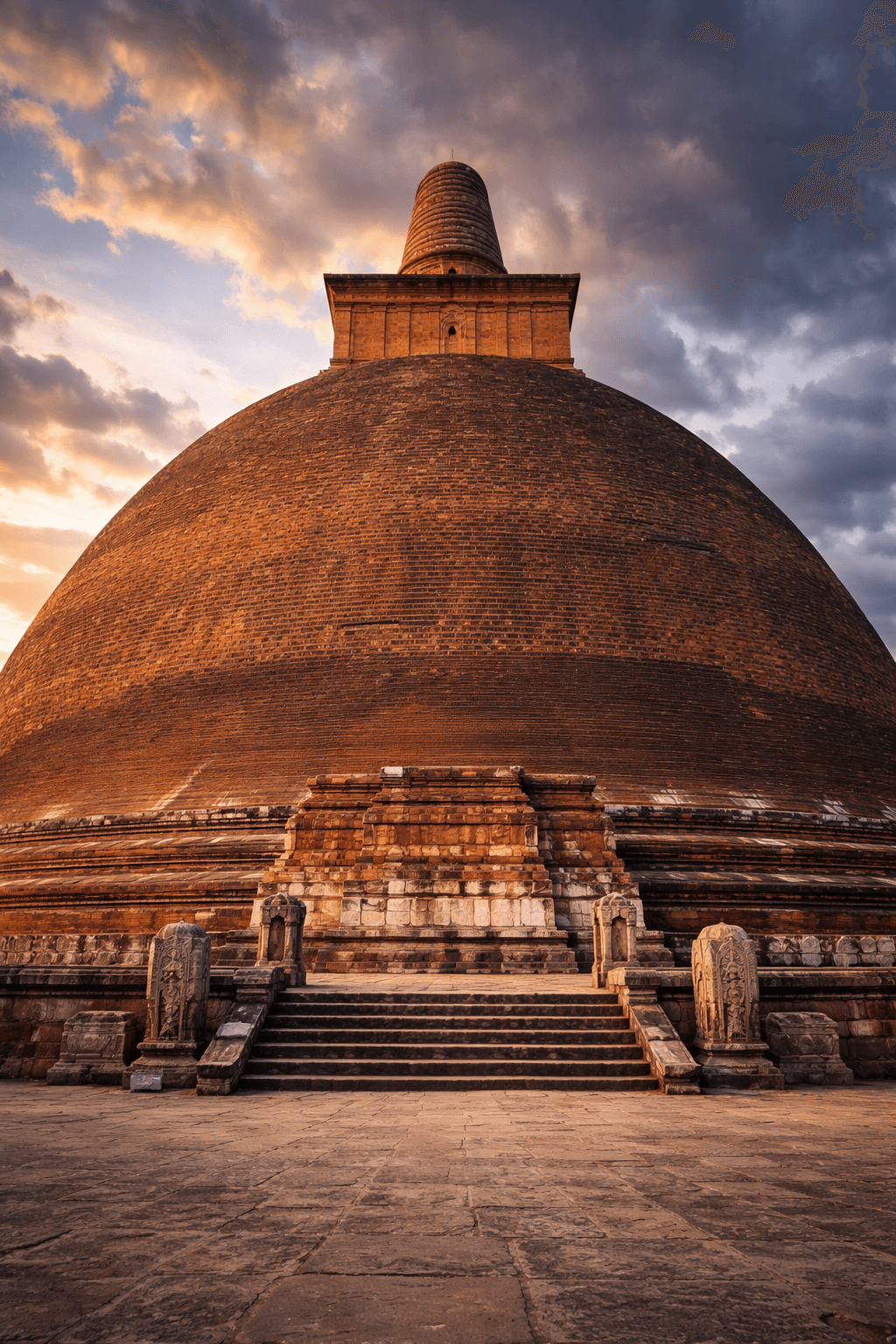
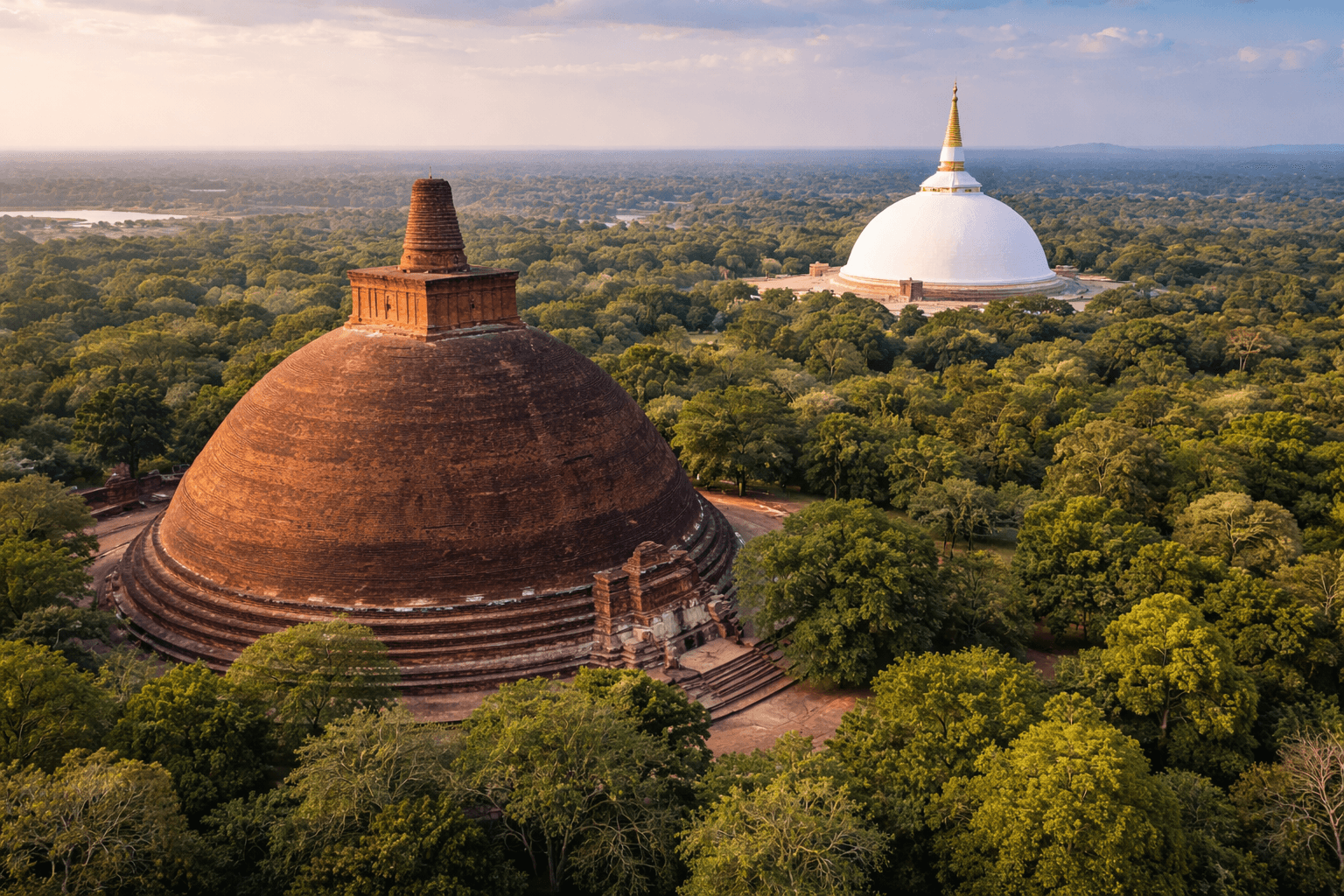
If the gleaming white of Ruwanwelisaya speaks of purity, the colossal, weathered brick masses of Jetavanaramaya and Abhayagiriya speak of the sheer power and engineering prowess of ancient Sri Lanka. These two dagobas are not just ruins; they are mountains of brick, representing the largest structures of their kind in the world.
For the history enthusiast and the architecture buff, exploring these towering complexes is an unforgettable experience. But how do you tell them apart, and which one should you prioritize on your trip?
Jetavanaramaya: The Zenith of Ancient Engineering
The Jetavanaramaya is a jaw dropping sight. Built by King Mahasena in the 4th century CE, this stupa was originally the tallest in the ancient world, only slightly smaller than the Pyramid of Giza. Its construction is a testament to incredible engineering and labor.
It is estimated that the foundation of the stupa reaches 25 feet deep, resting on a sophisticated hydrostatic balance system. The stupa itself used approximately 93 million baked bricks. If you were to pave a road from London to Edinburgh with bricks ten feet deep, you would use roughly the same amount of material.
Today, the structure stands at about 230 feet, having lost its crowning spire. Its massive size and the exposed brickwork give it a rugged, powerful appearance. The surrounding complex includes the ruins of a massive monastery, and the site is still actively undergoing excavation.
Abhayagiriya: A Center of Intellectual Life
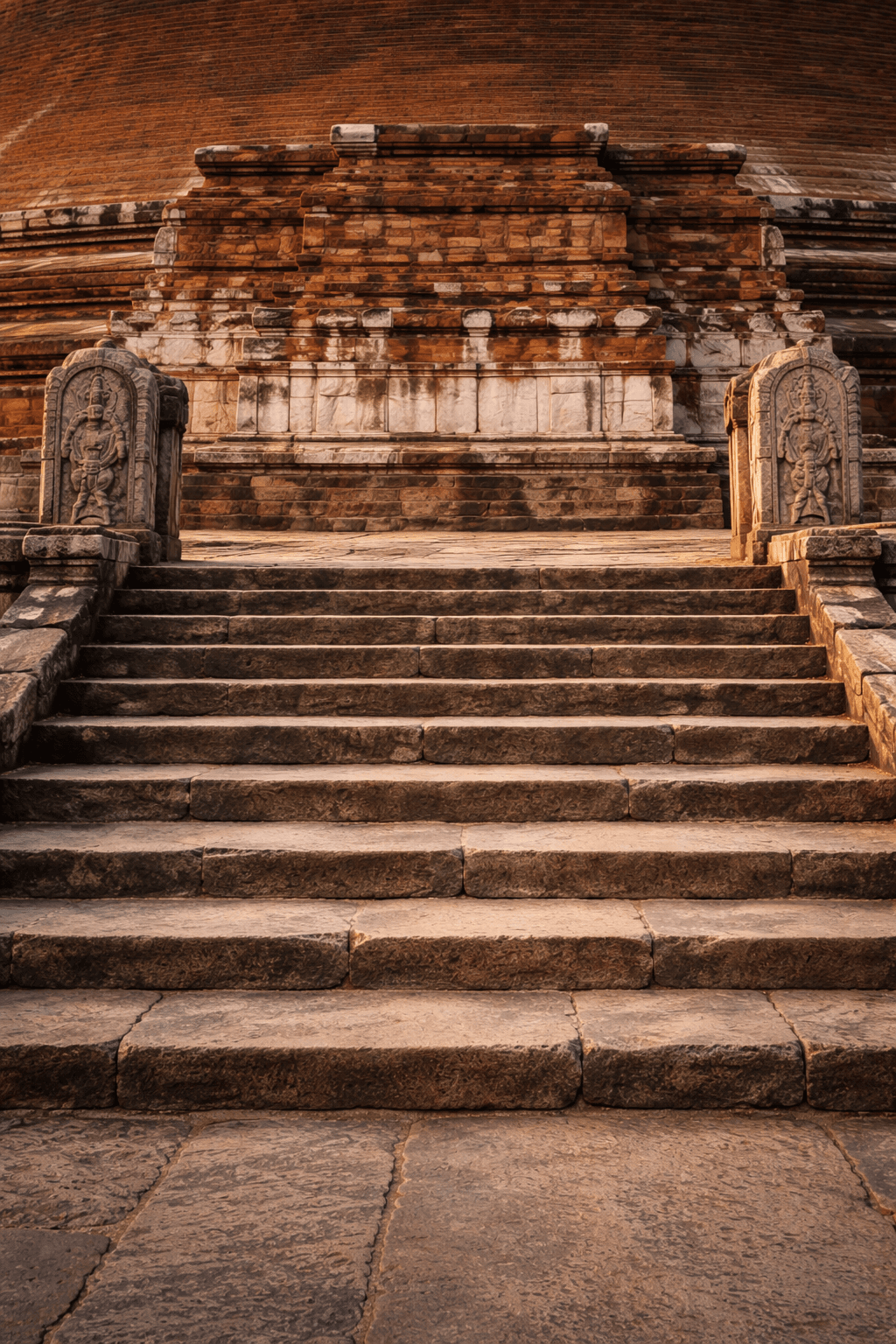
Built earlier than Jetavanaramaya, the Abhayagiriya (meaning "Hill of Protection") was constructed by King Valagamba in the 1st century BCE. Historically, it was not just a religious structure but the heart of a vast monastic complex that supported thousands of monks and was a major international center for Buddhist learning. It was the seat of a liberal, rival sect that split from the traditional Mahavihara monastery.
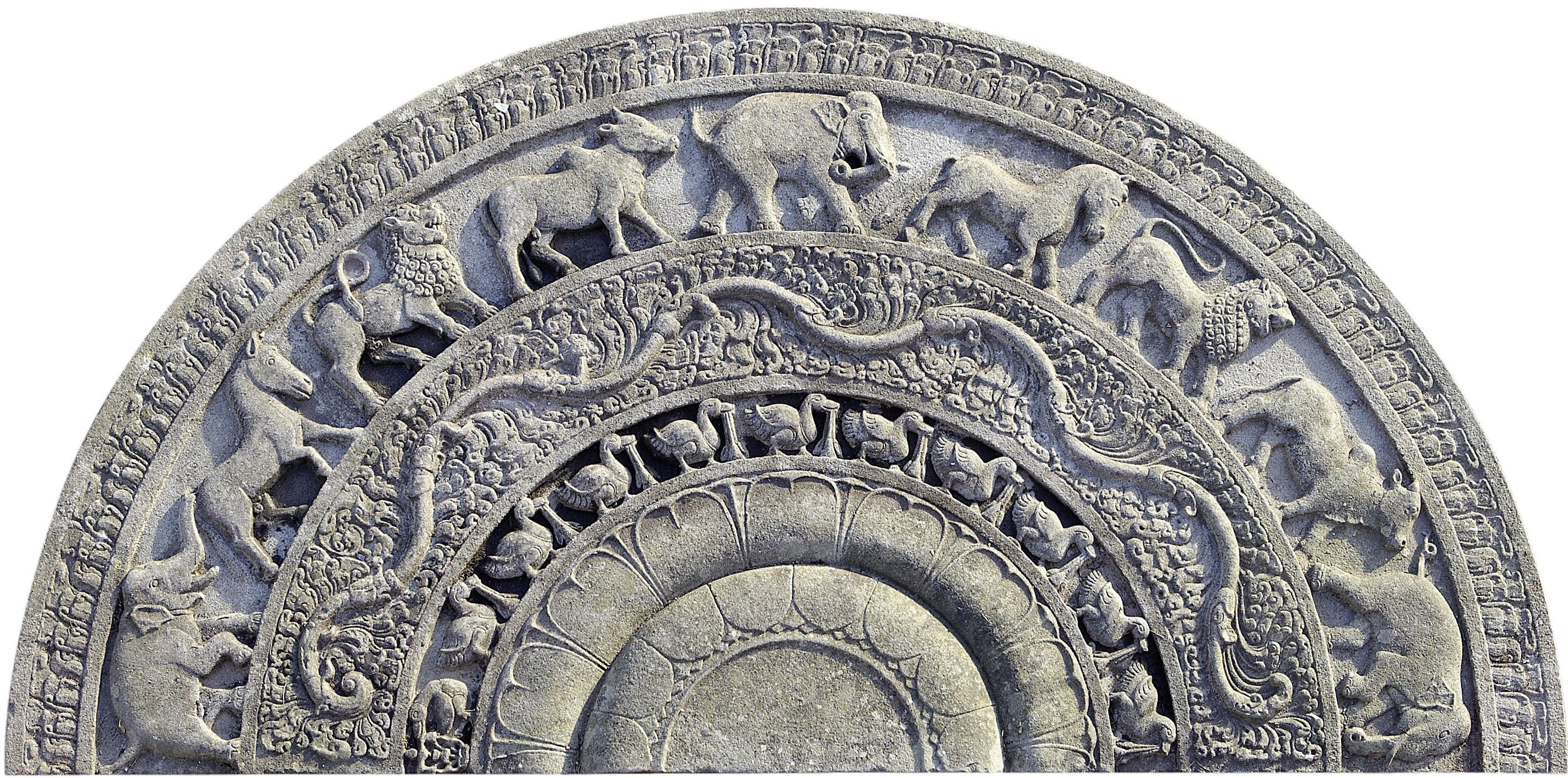
The Abhayagiriya complex is perhaps more famous for its surrounding ruins and architectural details than the dagoba itself. Nearby, you can find the renowned Kuttam Pokuna (Twin Ponds) and some of the most beautiful Sandakada Pahana (Moonstones) and guard stones in Sri Lanka. The Samadhi Statue, one of the most serene Buddha figures in the country, is also part of this sprawling monastic site.
Though slightly smaller than the Jetavanaramaya, the sheer area covered by the Abhayagiriya complex is vast, making it a full morning or afternoon of exploration.
Which One to Prioritize?
If your time is limited and you are most interested in the monumental size and ancient engineering, prioritize Jetavanaramaya.
If you are fascinated by the intellectual history of Buddhism, want to see some of the finest ruins in Anuradhapura (like the Kuttam Pokuna and Moonstones), and prefer an experience with more varied points of interest, dedicate your time to Abhayagiriya.
Ideally, both should be seen. They stand as a powerful duo, representing the peak of a rivalry that produced architectural wonders that continue to inspire awe millennia later.
Enjoyed this story? Share it
About the Author
Nisala Jayawardena
A passionate heritage explorer and travel storyteller dedicated to uncovering the sacred history, ancient temples, and timeless culture of Anuradhapura — Sri Lanka's spiritual heartland.